
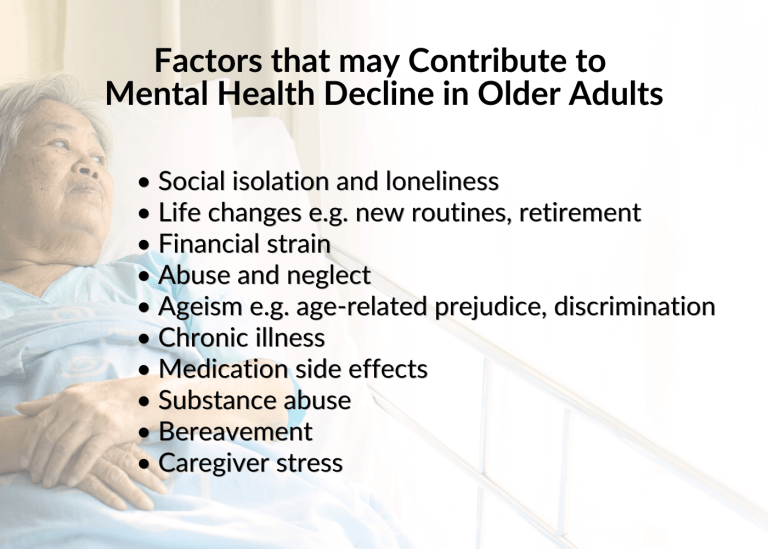
- Loss of independence due to illnesses, a lack of purpose in retirement, caregiver burnout and isolation due to demise of loved ones or reduced engagements are just some of the challenges brought about by ageing that can cause mental strain.
Loneliness is a growing epidemic and men are particularly vulnerable.
Given the interplay between mental and physical health, tackling both is essential to delaying frailty and improving total well-being.
Besides medical interventions, pastoral and spiritual care, reminiscence sessions, wellness and intergenerational activities are ways to embrace positive ageing.
Society also needs to shift our views towards ageing by not seeing it as an inevitable process of decline, but recognising ageing as a life-long process that can be empowered with hope for personal growth, fulfilment and health.
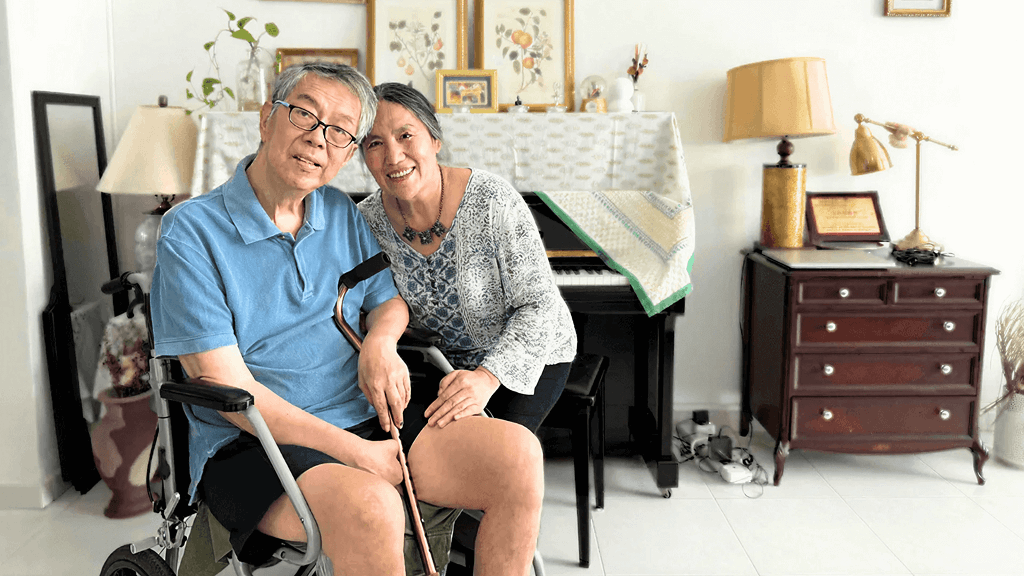
Mdm Sun Chun Yan vividly recalls the moment in early 2024 when the stress of prolonged caregiving drove her to a mental breakdown.
For 17 years, she was full-time caregiver to her 73-year-old husband – tending to his every need – after a stroke left him paralysed on his right side.
Her faith and resilience kept her going, even after her husband’s second stroke in 2022. But when he took a serious fall in early 2024 that hastened his physical decline, Mdm Sun reached her breaking point. Depression took hold, confining her to bed for months as she cried for hours each day.
“It was the darkest time of my life,” the 54-year-old recounted. “It felt like one crisis after another, and I completely crumbled. I told my social worker that I wanted to jump off the tallest building. I couldn’t go on, and I couldn’t even bear to look at my husband.”
Super-Aged Singapore: Tackling the Mental Health Puzzle
Mdm Sun’s story sheds light on the challenges brought about by ageing that can cause mental strain. From burnout experienced by caregivers – often older adults themselves like Mdm Sun – or a loss of independence due to chronic and debilitating illnesses to financial stress and a lack of purpose in retirement, these challenges can weigh heavily on seniors’ mental well-being. Many also grapple with isolation and loneliness as loved ones pass on, social circles shrink, and opportunities for engagement dwindle.
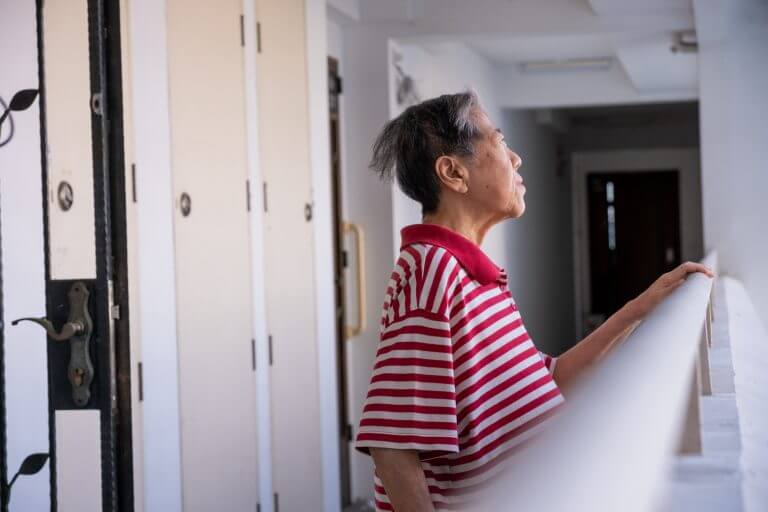
According to the 2020 National Population Health survey, nearly 10 per cent of those aged 60 to 74 experienced poor mental health, with depression, anxiety and loneliness topping the list of challenges. Loneliness, notably, has been a growing epidemic. A 2015 study by the Centre for Ageing Research and Education at Duke-NUS Medical School found that 39 per cent of Singaporeans aged 62 and above feel lonely. Men are particularly vulnerable, with 37 per cent feeling lonely compared to 31 per cent of women, highlighting the need for targeted community and social support to bolster their mental well-being.
Addressing Male Isolation: Innovative Engagement
Men-Only Happy Hour
For two years, 86-year-old retiree Mr Liong Kwee avoided the MWS Active Ageing Centre (AAC) – GreenTops@Sims Place near his block.
“Whenever I walked past and saw the many women inside, I felt like I wouldn’t fit in,” said the widowed former taxi driver, whose three children are grown and living apart from him.
After losing his wife to cancer in 2022, Mr Liong battled depression and suicidal ideation. “I used to meet my retired taxi driver friends, and they helped me cope with my loss. But one by one, they passed away. I thought, ‘What’s the point of living? I might as well join them.’”
Attempts by his younger son to get him to day care or join the AAC failed, as Mr Liong chose to spend much of his time at home.
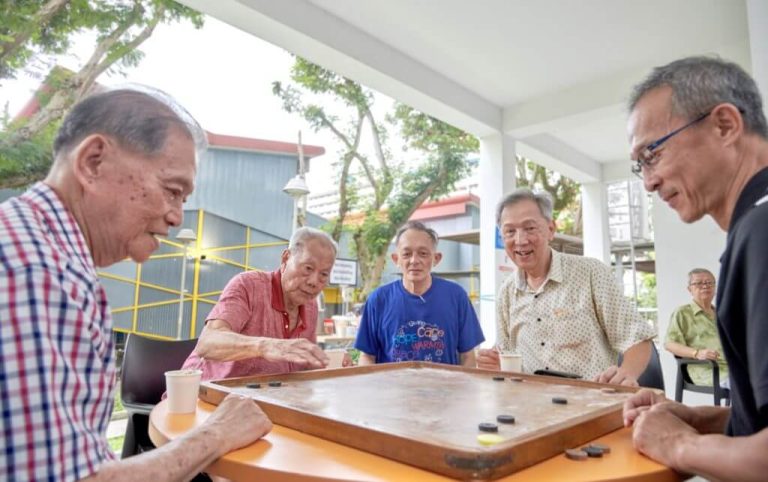
That changed in August 2023 with the launch of the Men-Only Happy Hour programme at the AAC. Held weekly at the void deck of Block 63 Sims Place, the initiative addresses low male participation by engaging elderly men in male-centric activities like chess and foosball, promoting social interaction while supporting cognitive and physical well-being.
“I finally felt comfortable joining because it was all men,” said Mr Liong, who has since progressed to participating in other activities – from exercises to excursions and even karaoke with the ladies! “I’m much happier now and less lonely,” he said. “I’ve made lots of friends, and the different activities give me something to look forward to every day.”
Another participant, 83-year-old Mr Lachman Vaswani, described the programme as “a safe space for like-minded men”. “I live alone and often have no one to talk to,” he said, adding that mobility issues make socialising a challenge. “Here, I can share my life experiences and connect with others – it’s a great way to break the boredom.”
The programme is co-led by senior male volunteers, empowering them with a sense of agency and a meaningful role in the community. Its success has spurred MWS to explore introducing it to the other six MWS AACs.
Total Well-being in Healthy Ageing

Missed the panel discussion MWS Uncommon Dialogue: Tackling the Mental Health Crisis in a Super-Aged Singapore? Watch the recording here as healthcare experts weigh in on this pressing issue, ways to support our seniors, as well as preventive measures.
Given the interplay between mental and physical health – the ‘double helix’ – tackling both is key to promoting healthy ageing and delaying frailty. Doing so not only supports seniors but also eases the burden on families, caregivers, as well as our health and social systems.
At Methodist Welfare Services (MWS), we recognise the complexities of ageing and its impact on seniors’ mental health, and make all effort to ensure our care approach and services are attuned to that.
These include:
• Fostering social connections through health and social programmes, community outreach, and befriending;
• Providing caregiver support; and
• Offering diverse care options, from community-based services to care for the home-bound to long-term residential care
For Mdm Sun, hope emerged in her darkest days when MWS Home Care & Home Hospice stepped in after a polyclinic referral. Over six months, a multi-disciplinary team helped ease her caregiving and financial burdens by providing subsidised home medical and nursing care to manage Mr Sim’s chronic conditions. With his health stabilised and a physiotherapist helping him regain balance and walking confidence, Mdm Sun finally found some relief.
MWS medical social worker, Yeo Chee Wei, also offered emotional support, equipping her with coping strategies to navigate the many challenges of caregiving.
“The first time I met Chee Wei, I broke down and cried for three hours,” Mdm Sun shared. “My deepest pain was feeling unseen, but Chee Wei and the MWS team understood my suffering – that alone was healing. Through our sessions, I learnt to self-reflect and trust in God more deeply. They supported me with prayer when I asked, which brought immense comfort.”
Anchored in Compassion: Guided by a Mission of Love
At the core of our work, reflecting Christ’s call to serve those who are vulnerable, is a commitment to affirming every individual’s worth and dignity, offering hope and healing to the broken and weary. Pastoral and spiritual care is central to this mission, providing clients and their caregivers with peace, hope, and a more positive outlook on life. This compassionate approach includes attending to one’s mental well-being, a vital aspect of holistic care.
The MWS chaplains play a key role in this effort. Through pastoral care visits, they address the spiritual and emotional needs of clients and caregivers, offering prayer, encouragement, and a compassionate presence. With open hearts and a listening ear, they minister to people of all backgrounds and beliefs, providing comfort and reassurance.
The Chaplaincy team also partners with church volunteers to facilitate reminiscence sessions at our nursing homes. These sessions encourage meaningful conversations, helping the residents cope with the challenges of declining health by reflecting on times when they were fitter. Research has found that nostalgia serves as a powerful emotional resource, offering solace during times of hardship. This process enhances psychological, emotional, and spiritual well-being.
Brewing Nostalgia: A Blend for Mental Wellness
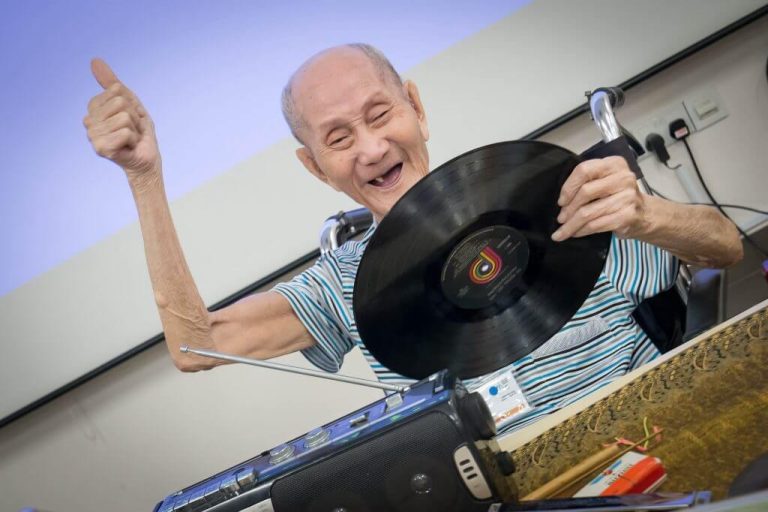
The sight of a can of sweetened condensed milk lit up 94-year-old Mr Chew Wei Choon’s face. “I started brewing coffee as a teenager and became an expert at my own coffee shop,” he shared proudly, reminiscing about his days as a coffee brewer in a localkopitiam.
Mr Chew, a resident at MWS Nursing Home – Yew Tee living with dementia, was participating in the monthly reminiscence session, led by MWS Chaplain Chua Chiew Poh and church volunteers. These themed sessions – focusing on topics like nostalgic foods or old-time songs – encourage residents to revisit fond memories.
“Mr Chew used to be very withdrawn,” said Chiew Poh. “Since joining the sessions, he’s become more engaged, happily sharing stories from his younger day. These sessions help residents reconnect with their past, bringing smiles as they recall joyful experiences.”
Mr Chew’s daughter, Cathy, also noticed that her father’s dementia symptoms have stabilised, and his mood more balanced.
Towards a More Positive View of Ageing
Singapore is projected to attain ‘super-aged’ status in 2026, with almost one in five Singaporeans aged 65 years and above. This ageing cohort is also a changing profile marked by increased longevity, higher education, and affluence.
A 2021 report by the Centre for Ageing Better, ‘Reframing ageing: Public perceptions of ageing, older age and demographic change’, challenges the common narrative around ageing. It encourages shifting from seeing ageing as an inevitable process of decline to recognising it as a life-long process that, with the right support and policies, can lead to healthy, fulfilling, and purposeful lives.
Instead of viewing older adults as frail and dependent, seniors can be encouraged to stay engaged in the workforce, communities, and society, even after retirement. This mindset empowers seniors to recognise their value, reducing feelings of isolation, boosting confidence, and encouraging active engagement, which are key to mental well-being.
Bridging Generations
MWS promotes a positive perspective on ageing through programmes and activities that encourage seniors to remain physically active, socially connected, and mentally engaged. Intergenerational engagement is one key approach. Connecting the generations through shared activities helps challenge ageist stereotypes while highlighting the valuable contributions of older adults to society. Read here about the collaboration between MWS and NUS College of Alice and Peter Tan.
Empowering Seniors to Thrive and Age Well
Keeping the Kampung Spirit Alive
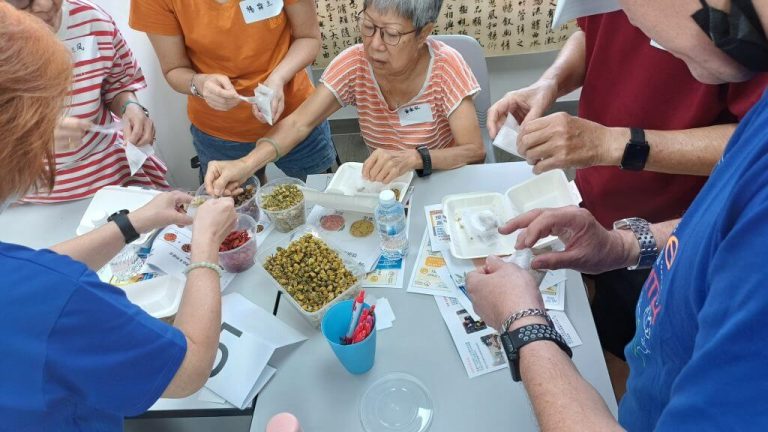
MWS AACs are brimming with creative, staff-developed initiatives, and one standout is theWellness, Flower Tea & Meworkshop at MWS Active Ageing Centre – Golden Lily@Pasir Ris.
Designed to inspire self-care, this programme encourages breathing exercises to ease anxiety and depression.
Co-led by trained senior volunteers from the Centre’s partner church, the workshop also features reminiscence activities, where participants share memories tied to flowers and tea, fostering meaningful connections as they explore the art of flower tea blending.
Studies show that reminiscing and social engagement are powerful tools for mental well-being, helping to alleviate depression and anxiety while boosting life satisfaction among older adults.
For 71-year-old Mdm Ameda Buyong, the workshop was a chance to connect with her neighbours and ease social isolation. “It also brought back the kampung spirit, where interactions were lively and meaningful. Nowadays, living in flats, many people shut their doors and disengage, which can feel isolating. This session left me feeling happy and refreshed, reminding me of the joy that community brings,” she shared.
Whole-of-Community Effort
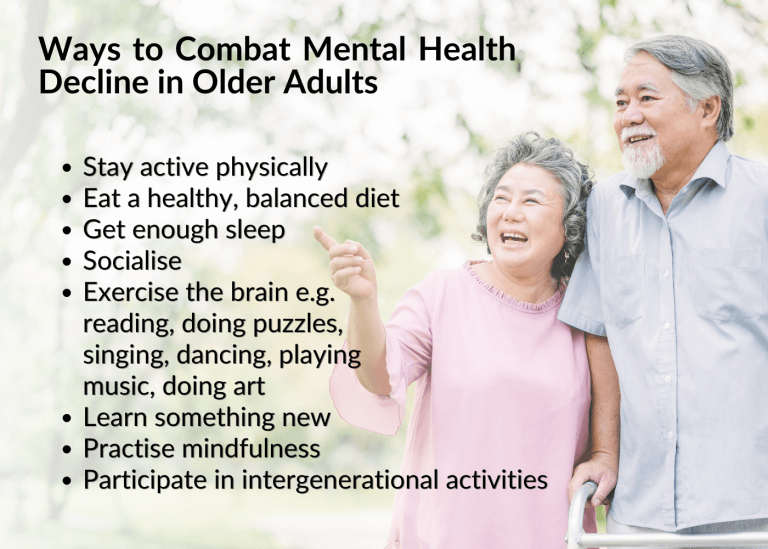
Through encouraging active participation and fostering meaningful connections, MWS hopes to reshape how society views and experiences ageing. By offering seniors opportunities for personal growth and fulfillment, and volunteering, they can break free from harmful stereotypes and redefine their role in society, thereby fostering a more positive and inclusive cultural narrative about ageing.
It takes a village to raise a child, and a whole community to support seniors in ageing well – both physically and mentally. Together, let us embrace ageing as a life course, resist ageism, and shape Singapore into a shining example of an inclusive, thriving super-aged society!