Learning To Trust Again
19th September 2026

Learning To Trust Again

At 16, Kayla* was left without parental support after her father passed away, her mother left Singapore following bankruptcy, and her stepmother abandoned her. Searching for belonging, she fell in with negative peer influences and drifted through life aimlessly.

With only her older sister, who was still a minor herself, to care for her, Kayla lacked the supervision and support she needed. “I was doing whatever I wanted, hanging out with friends all day and coming home late,” she recalled. “I spent much of my time at friends’ houses and skipped school for over a year.”
A new chapter

In September 2024, Kayla was admitted to MWS Girls’ Residence (GR), where she initially struggled to adjust.

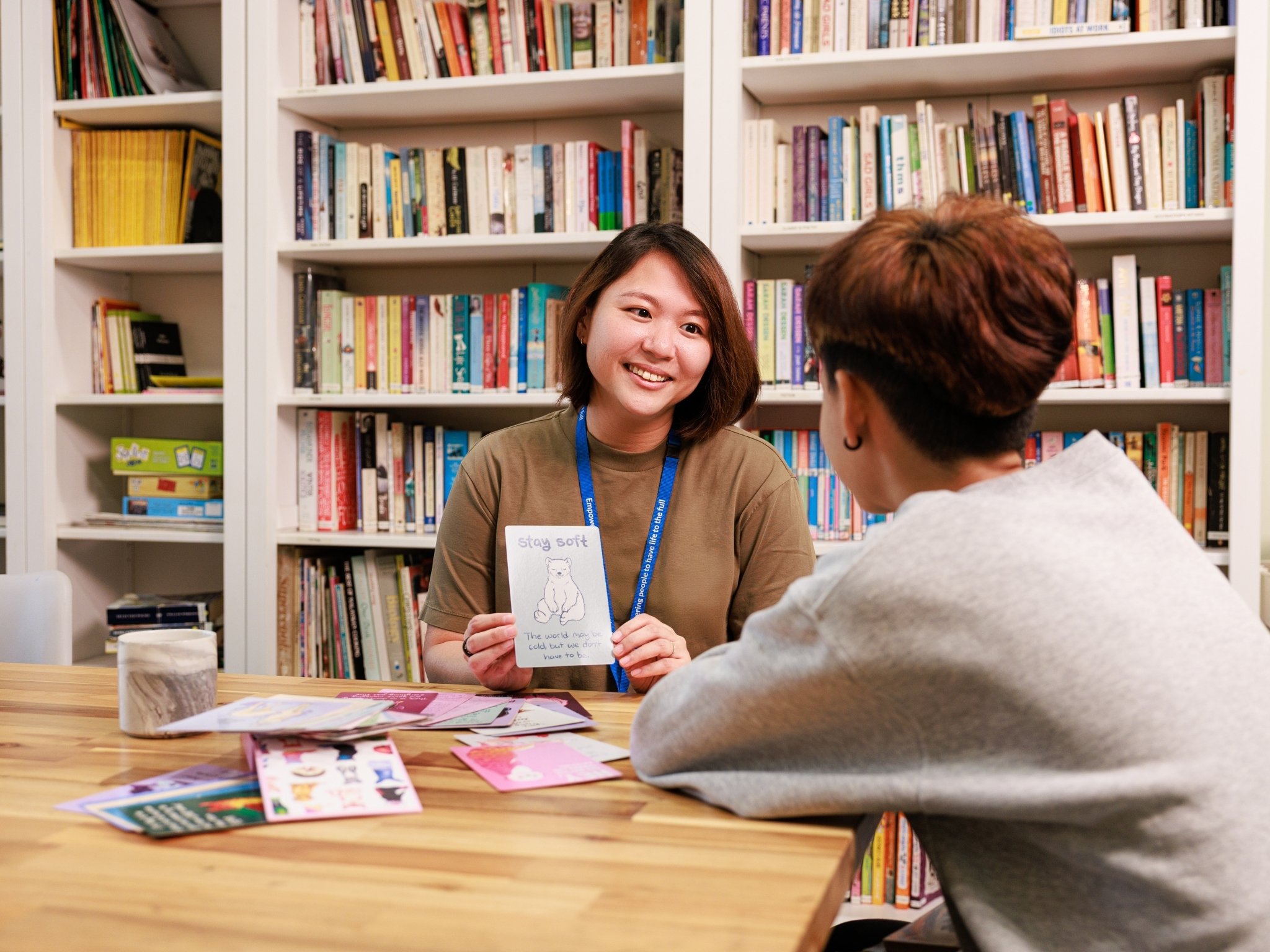
“Kayla found it difficult to accept boundaries and was reluctant to open up because her past relational trauma made her distrust adults,” her social worker, Ang Wei Ling, shared. Rather than rushing the process, the team at MWS GR focused on building a relationship with her. Regular sessions with Wei Ling, alongside art therapy, provided Kayla with a safe space to explore her identity and process long-buried emotions, including grief and feelings of abandonment.

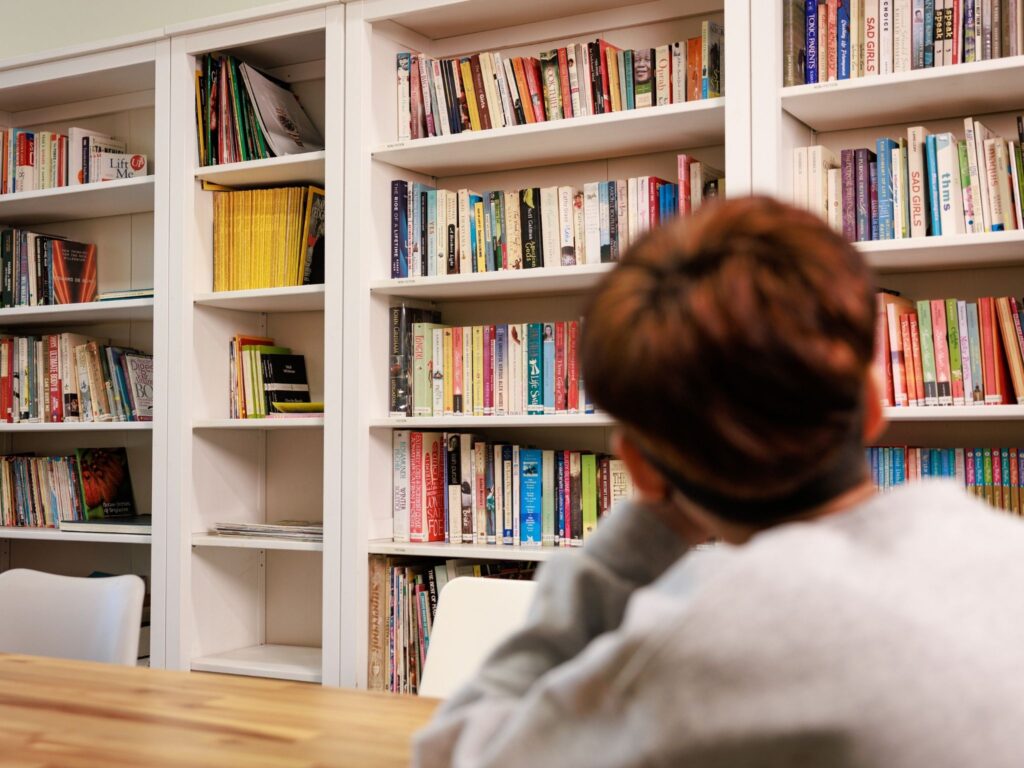
The library is Kayla’s favourite place at MWS Girls’ Residence, where she enjoys reading, especially autobiographies. “I feel inspired when I read stories of people overcoming the odds,” she said. “It makes me feel like if they can do it, so can I.”

Restoring trust

Gradually, Kayla became more willing to talk about difficult emotions and learnt to accept boundaries and better manage her emotions. “In the past, when things didn’t go my way, I would cry or get upset,” she reflected. “But now, I respond more calmly and can take ‘no’ for an answer.”

Kayla has also begun rebuilding the trust she once struggled to place in adults. For Wei Ling, the biggest change has been Kayla’s willingness to seek help. “Today, she initiates conversations, reaches out for help, and is much more open,” she said. “She no longer feels she has to carry everything on her own and is open to tapping on community support when she eventually leaves the residence.”

Kayla found it difficult to accept boundaries and was reluctant to open up because her past relational trauma made her distrust adults.

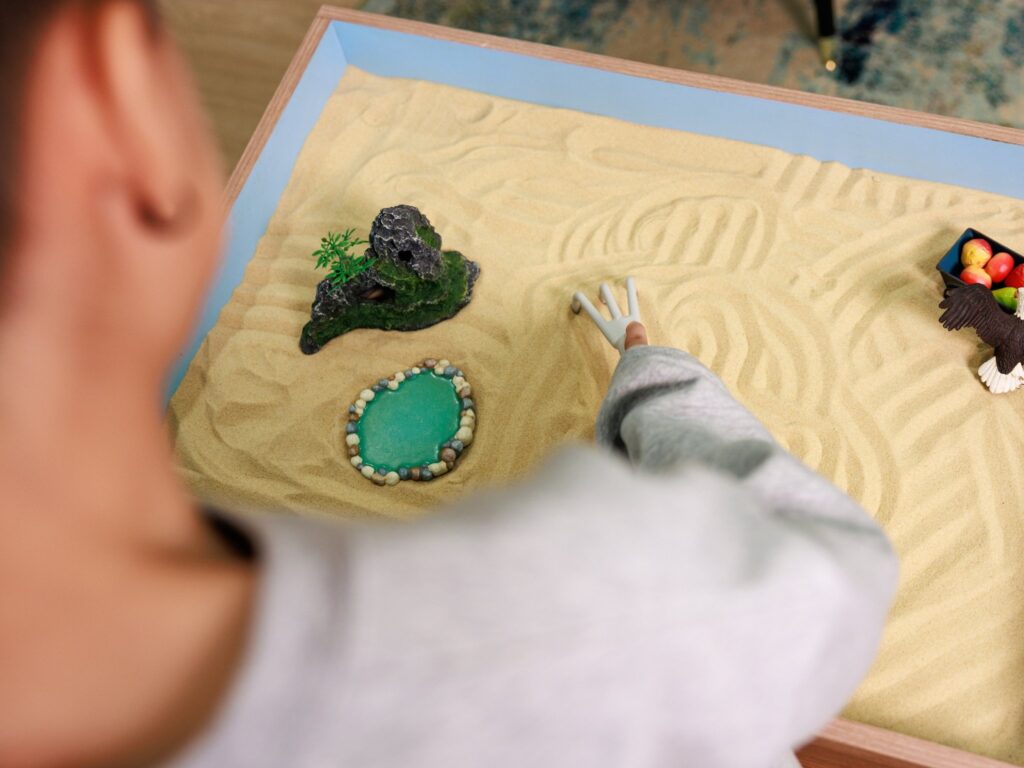
Sandplay therapy gave Kayla* a safe space to express her emotions and build greater self-awareness

Looking ahead

Now enrolled in a Mechanical Engineering course at a tertiary institution, Kayla maintains full attendance and is doing well academically. Financial aid from MWS donors has also eased practical burdens by supporting her daily and educational needs, including a subsidised laptop for her studies. With guidance from Wei Ling, Kayla has also become more thoughtful about managing her finances and hopes to build a stable career in the Navy.

“If I didn’t come here, I’d still be lost, with no direction in life,” she reflected. Kayla knows the road ahead will not be without challenges. She worries about finances and what life after residential care will look like. But where uncertainty once defined her future, hope now does.

If I didn’t come here, I’d still be lost, with no direction in life.

“My dream is to be financially independent, and that feels achievable because I’m going to school,” she said. “I just want to build a better life than my parents had.”

More stories like this

Get involved

Make a difference

Today we support over 25,000 families and individuals, who face struggles in different ways, across age groups, ethnicities and religions.

image