Before We Ask That Question This Lunar New Year…
12th February 2026

Before We Ask That Question This Lunar New Year…

  • Festive milestone questions no longer match modern Singapore realities — and can unintentionally strain the very bonds Lunar New Year is meant to strengthen.
  • Choose connection over milestone-type questions — keep reunion conversations warm and non-intrusive, and practise care through consistent check-ins beyond the festive table.
  • Strong families need a village — community networks and accessible support should complement family care so no one has to cope alone.

Every Lunar New Year, many Singaporeans gather for reunion dinners and brace themselves for the same familiar questions: “So, when are you getting married?” “Any children yet?” “What are you working as?”

What is meant as concern can come across like judgment. Young adults may feel measured against siblings or cousins. Parents may feel compelled to explain family choices. Conversations meant to bring people together may instead leave families quietly strained. Sometimes, these questions linger in the heart long after the reunion dinner has ended.

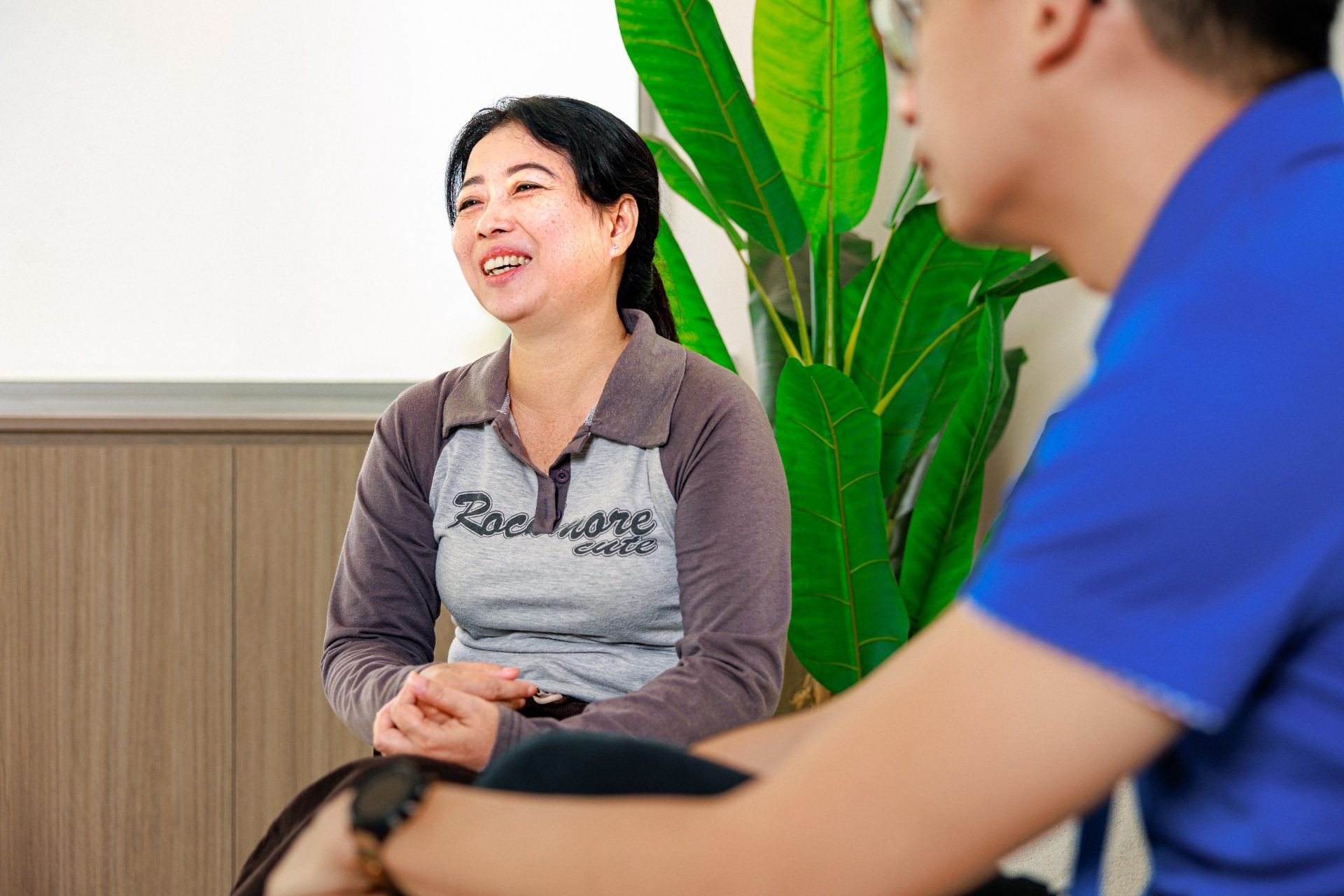
Have Lunar New Year reunion dinners become a clash between old expectations and new realities? (Photo Credit: Canva)

Often, the issue is not intention. These questions usually arise from care, concern, and long-held cultural ideas about family, stability and success. But they also reflect life scripts from an earlier era, when milestones such as marriage, parenthood, and career advancement defined progress. Today, the markers of success or a good life in Singapore are evolving – and that change may have shifted faster than these scripts have kept pace.

So how can families celebrate Lunar New Year without unintentionally pushing loved ones away?

Recognise the changing profile of families today

Family life no longer follows a neat, linear path. Marriage and parenting are not the only markers of adulthood.

A 2023 Institute of Policy Studies poll found that while young adults aged 21 to 34 still hope to marry and have children, about seven in 10 said marriage and having kids are not strictly necessary life steps (The Straits Times, 29 Jan 2024, “7 in 10 young Singaporeans feel it is not necessary to marry, but most still want to: Poll”). At the same time, the Ministry of Social and Family Development (MSF) reported that the median age at first marriage in 2024 rose to 31.1 years for grooms and 29.6 years for brides, while the total number of marriages declined from the previous year (Family Trends Report 2025, MSF).

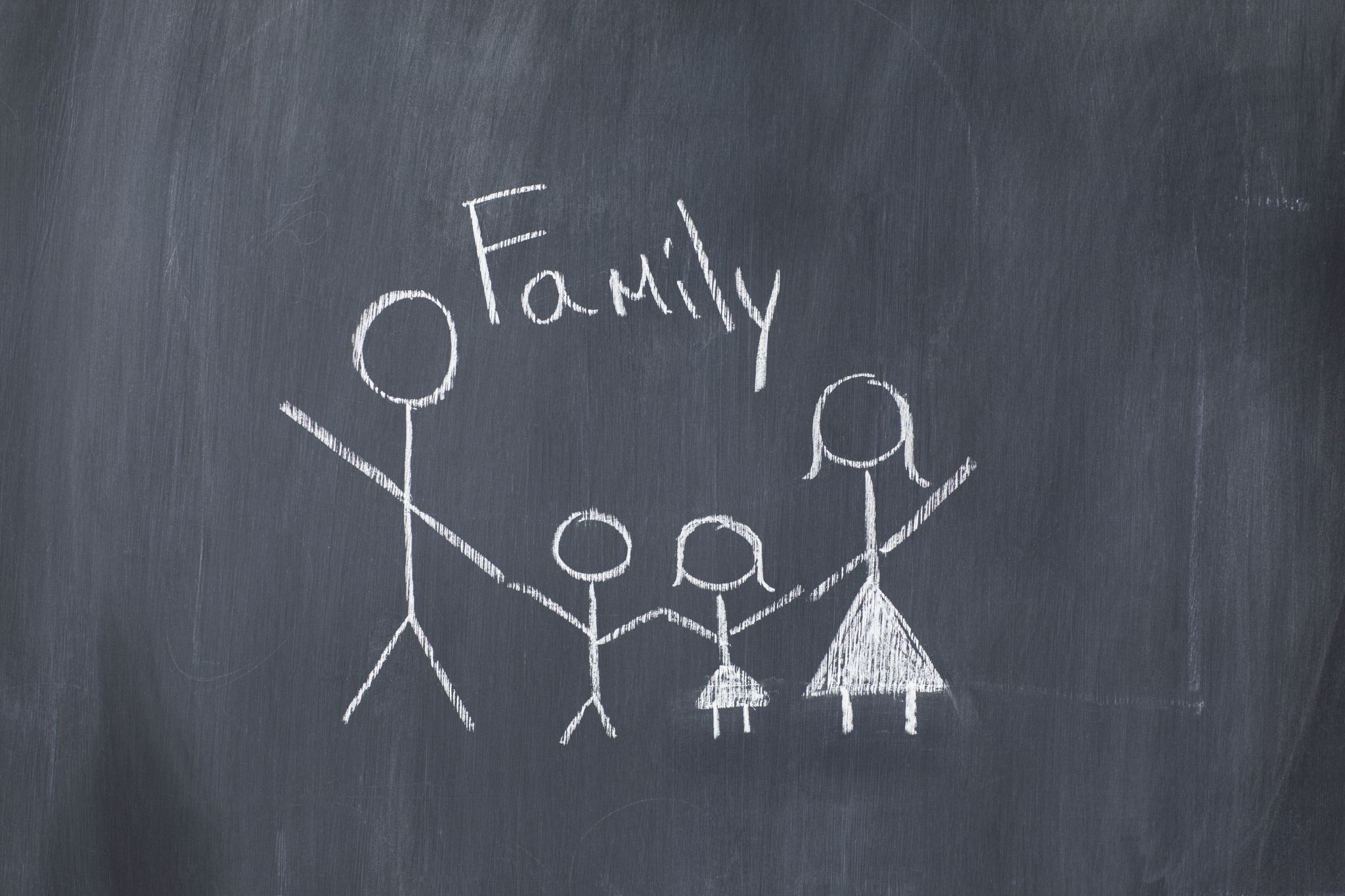
Traditional family models are changing, with some couples preferring to have pets over children. (Photo Credit: Canva)

Some couples build families through adoption or fostering, while others choose not to have children at all, preferring pets instead. About one in six couples in Singapore experience difficulty conceiving – a deeply private and emotionally draining journey that casual remarks may inadvertently wound (The Straits Times, 22 Nov 2024, “’We couldn’t bear seeing all the kids running around’: Couples struggling with infertility seek support”).

Extend care and presence beyond one festive encounter

With busy schedules and dispersed households, Lunar New Year often becomes the main occasion for extended families to reconnect. When concern is compressed into a single festive encounter, it can surface as blunt questions about outcomes – marriage, children, or caregiving – rather than understanding how someone is actually coping.

Knowing that, can we choose to keep conversations warm and non-intrusive at the reunion table, and resist the urge to turn festive gatherings into moments of life assessment?

Real care shows up in quiet, consistent small gestures. (Photo Credit: Canva)

Care that sustains relationships is built over time. It shows up in small, consistent gestures: checking in after a tough work week, noticing when a caregiver sounds unusually tired, or following up when someone withdraws. These quieter moments build emotional safety – and the confidence that one does not have to justify life choices to be worthy of care.

Acknowledge that the modern family can use a village

Lunar New Year reminds us how much we value family. But valuing family must also mean recognising the role of a support system or the wider community, such that families do not feel the need to keep it all together by themselves.  

Caregiving for elderly or unwell family members is one of those quiet realities that are rarely discussed at festive gatherings. The same can be said about how marital conflict seldom make it to reunion dinner conversations. Cultural norms around “saving face” can make acknowledging exhaustion or emotional strain feel like failing family obligations. As a result, families may feel the pressure to present a cheerful front during Lunar New Year, even when they are quietly struggling. Overtime, this can erode the emotional safety – and trust – that hold families together.

This is where community-based networks play an important role. Initiatives such as the SG Cares Community Networks, supported by the Ministry of Social and Family Development, bring together Social Service Offices, Family Service Centres, healthcare partners, grassroots organisations, and volunteers so families can access coordinated support.

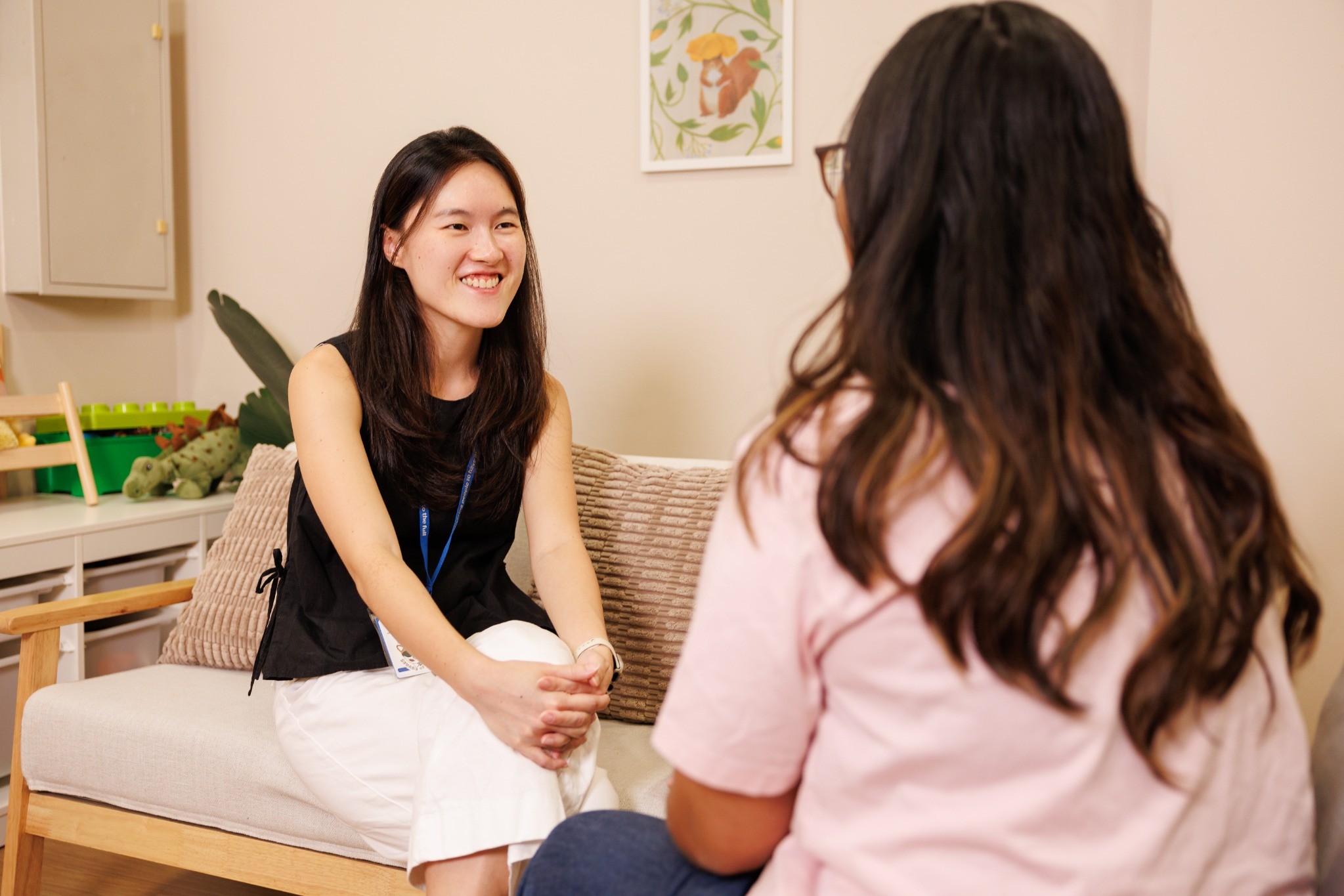
MWS' Family Services Hub in Hougang takes an integrated approach in helping families in different stages and situations.

At Methodist Welfare Services, our Family Services Hub in Hougang reflects this approach, by co-locating our Families for Life@Community, Strengthening Families Programme, and Family Service Centre with a ‘no wrong door’ policy, allowing families to seek help without navigating multiple agencies.

Hold conversations that invite sharing, not assessment

So how do we handle the misalignment between how modern life has evolved and the scripts that may need updating around festive periods? Perhaps we can ask less milestone-type questions year after year, as though the individuals are being evaluated on life’s progress.

Instead, consider asking about everyday life that may better demonstrate concern:

  • “How’s work been treating you lately?”
  • “What are some good makan places you’ve discovered recently?”
  • “How have you and your family been these days?”

These questions do not ask for impressive updates. They show interest and presence, allowing conversations to unfold without pressure to perform.

Show interest and care in conversations. (Photo Credit: Canva)

Strong bonds, strong families

Lunar New Year is an opportunity to strengthen bonds across generations. If closeness is what we seek, we need to recognise outdated scripts and align our questions with the realities of today.

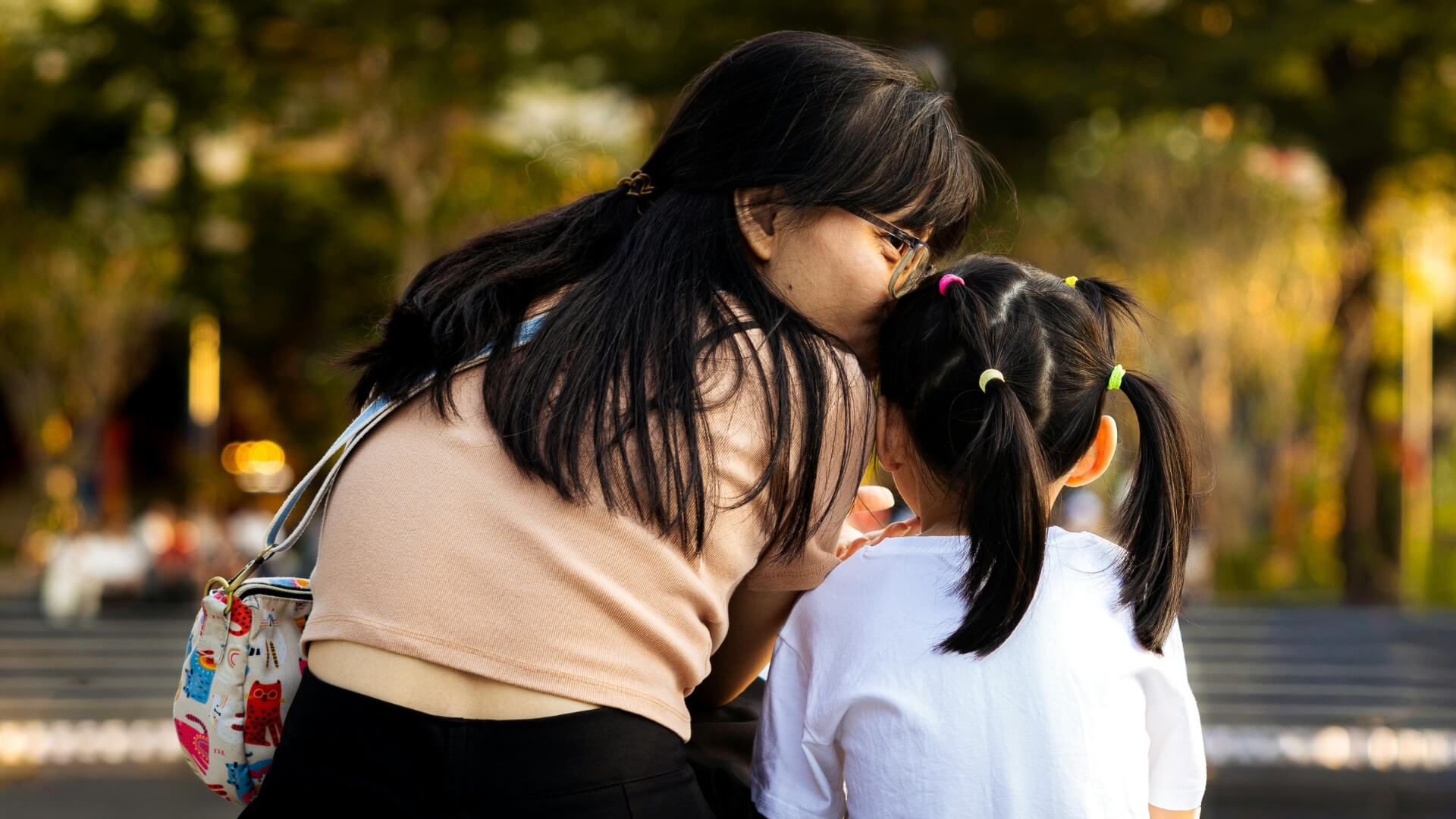
Draw closer with family during festive occasions and beyond that. (Photo Credit: Canva)

This festive season, let us offer emotional safety: the assurance that our loved ones are accepted as they are, and supported as they navigate life at their own pace.

Let us retire the questions that wound. Let our conversations draw people closer, not further apart. This Lunar New Year, let us extend care beyond the festive gatherings, into the year ahead.

Contributed article by Yeow Ming Zhen, Associate Director (Strategic Development), MWS Family Services

More stories like this

Healing after Infidelity
UV Beneficiary Story | 24 Nov 2025

Healing after Infidelity

Read more
View details
When Cultural Differences Spark Conflict
UV Beneficiary Story | 31 Oct 2025

When Cultural Differences Spark Conflict

Read more
View details
When Marriages Falter and Conflicts Flare, Counselling and Couple Programmes Offer a Way Forward
UV Key Feature | 31 Oct 2025

When Marriages Falter and Conflicts Flare, Counselling and Couple Programmes Offer a Way Forward

Read more
View details
Helping Hands, Lasting Change: Why Volunteers Matter More Than Ever
UV Key Feature | 3 Jun 2025

Helping Hands, Lasting Change: Why Volunteers Matter More Than Ever

Read more
View details
Golden Years, New Fears: Tackling the Mental Health Crisis in Ageing
UV Key Feature | 29 Dec 2024

Golden Years, New Fears: Tackling the Mental Health Crisis in Ageing

Read more
View details
Get involved

Make a difference

Today we support over 22,000 families and individuals, who face struggles in different ways, across age groups, ethnicities and religions.

image