What Counts as Cheating in a Marriage Today?
20th November 2026

What Counts as Cheating in a Marriage Today?

In today’s world, with technology introducing new forms of social connection, do couples share the same understanding of what being faithful means?

  • Infidelity is not always physical, and couples may have different definitions of what counts as cheating. Emotional affairs, dating apps, flirtatious messaging, paid online content and even AI companions have blurred traditional boundaries around marital fidelity.

  • Affairs often develop against a backdrop of emotional disconnection rather than a single moment of betrayal. Drawing on research and counselling experience, the piece examines how weakened communication, unmet emotional needs and shifting relationship dynamics can increase vulnerability to infidelity, while emphasising that individuals remain responsible for their choices.

  • Strong marriages require ongoing conversations about trust, expectations and boundaries. Couples should openly discuss what fidelity means to them, make time to nurture their relationship, and seek counselling or support early before unresolved issues become crises.

The news about Nvidia founder Jensen Huang and his admission of infidelity drew widespread attention recently. The online reactions were telling: one joke suggested that Facebook founder, Mark Zuckerberg, was now the only tech billionaire left who had not been unfaithful to his wife. The joke reflects how stories of infidelity involving the very wealthy have become so familiar that they hardly surprise people anymore. Huang’s case raises a familiar question: why do people cheat on their spouses?

There is a common expression for the restlessness that may set in after several years of marriage: the “seven-year itch”. It suggests that boredom or fading attraction may eventually lead one partner to look elsewhere. But infidelity does not follow a timetable, nor does it always happen because one partner has lost interest in the other.

There is another question worth asking: do spouses today share the same understanding of what being faithful means? Dating apps, social media, online sexual content, and even AI companions offer new ways to seek attention and intimacy, sometimes without meeting another person in real life. This raises questions about what couples consider acceptable behaviour and what they regard as cheating.

Understanding why infidelity happens does not mean excusing it. A person who breaks their commitment with their spouse must take responsibility for that choice. But if we want to help couples protect their relationships, we need to know how trust can weaken, how boundaries are understood by both parties, and what happens when those boundaries are crossed.

When marriages become emotionally distant

Marriage is not a static relationship. It evolves as couples navigate different stages of life. The demands of careers, raising children, and caring for ageing parents can leave couples with little time or energy for each other. Conversations become focused on household and family responsibilities. Disagreements may remain unresolved, while affection and appreciation may become less frequent.

Over time, spouses may continue to share a home and manage family responsibilities, but become less emotionally connected. They may function well as parents and partners in running a household, but find it harder to maintain their relationship as a couple.

Research suggests that such difficulties can sometimes precede infidelity. A 2023 study published in Psychological Science, which examined approximately 1,000 infidelity events in Germany, found that relationship functioning tended to decline before infidelity occurred.

This does not mean that relationship difficulties cause someone to cheat, or that infidelity is inevitable when couples grow distant. It does suggest that in some cases, an affair takes place against a backdrop of problems that have been developing for some time.

Research by psychologist Dylan Selterman and his colleagues also found that people give different reasons for being unfaithful, including lack of love, anger, sexual desire and situational factors. Some people also reported having affairs despite being in otherwise satisfying relationships.

There is therefore no single explanation for infidelity. Problems in a marriage may be part of the issue, but they do not always mean that the betrayed spouse is to be blamed. The responsibility for breaking the commitment belongs to the person who chose that path.

How ordinary connections become affairs

Not every affair begins with an intention to betray. Sometimes, a relationship develops through ordinary interactions with a colleague, friend or acquaintance. Personal conversations, shared interests or experiences, and spending long periods together may lead someone to feel understood or appreciated in ways they no longer experience at home.

Friendships outside marriage are important. It is not realistic or healthy for married individuals to rely exclusively on their spouses for every emotional need. Being attracted to another person, by itself, is not infidelity. The concern arises when these interactions change – when conversations become secretive, emotional intimacy deepens, or one party begins sharing with someone else things they no longer share with their spouse.

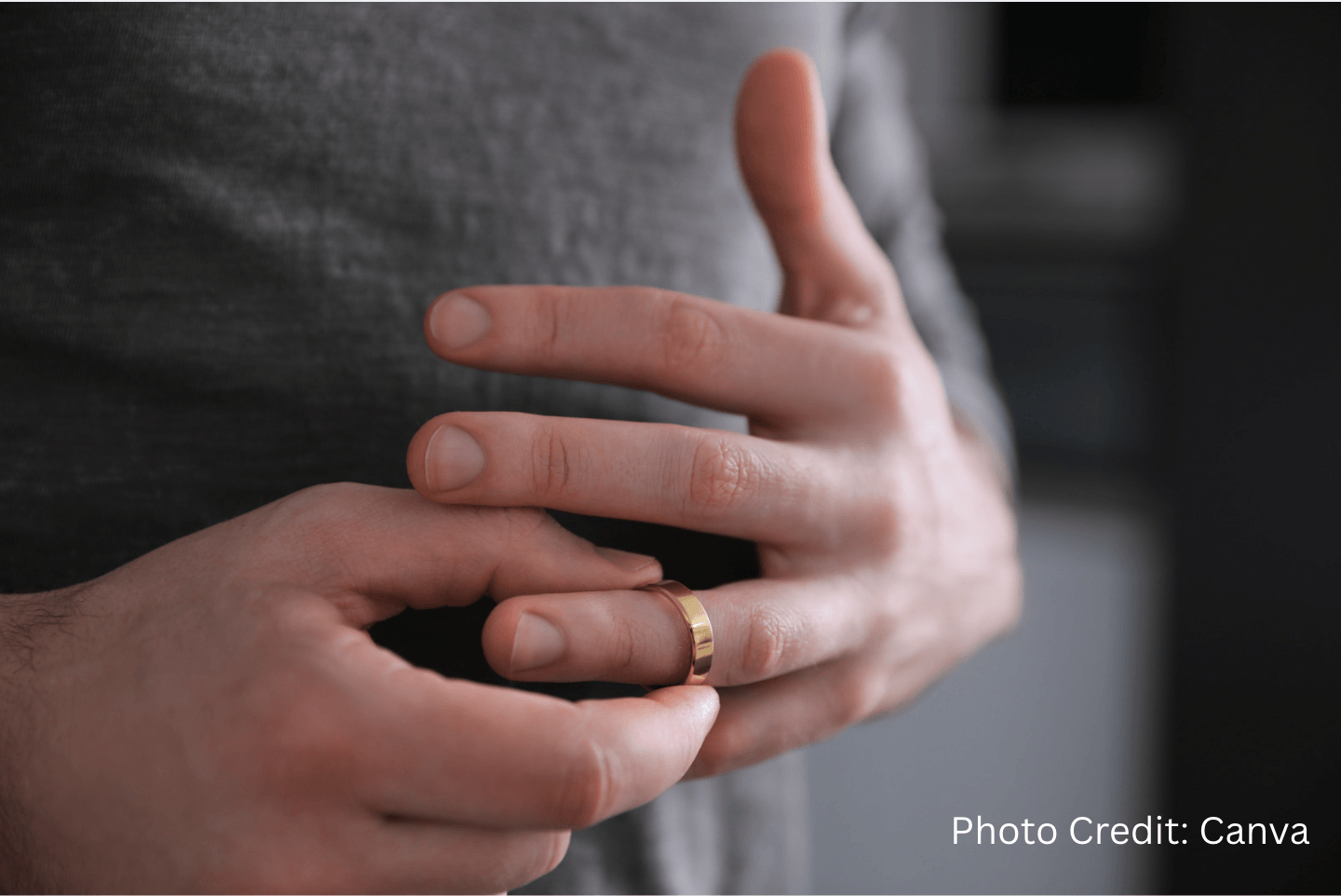
The choices people make matter. One partner may recognise an attraction but maintain boundaries. Or they may encourage the connection, hide messages, and allow the relationship to develop in secret.

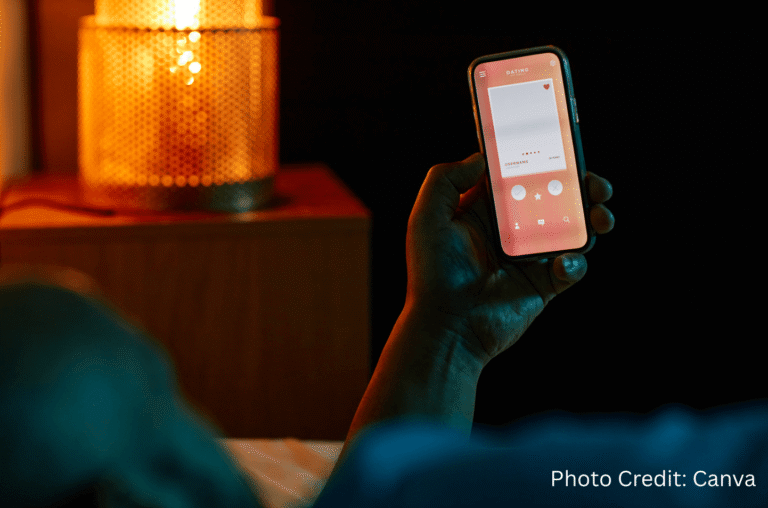
Technology has made these boundaries more complicated. A partner who secretly downloads a dating app, keeps a dating profile active or exchanges flirtatious messages may insist they are not cheating as nothing physical has happened. Others may regard these actions as betrayal in themselves. This is sometimes described as “micro-cheating”, although there is no single definition of the term.

The same questions arise around paid online sexual content, including platforms such as OnlyFans. Some spouses may see paying to view content as a form of sexual entertainment; others may feel that personalised attention and private exchanges have crossed a boundary in their marriage. AI companions raise another question: can a spouse feel betrayed when their partner develops a romantic or sexual attachment to an artificial companion, even though there is no human third party?

The key issue is whether the behaviour goes against the couple’s understanding and expectations of their relationship, whether either party is being deceptive, and whether the behaviour violates trust between them.

Couples need to talk about what fidelity means

When we talk about faithfulness in marriage, we may assume it is self-explanatory because the couple has made a commitment to one another when they married. But what does that commitment mean in everyday life?

Is exchanging intimate messages with someone else acceptable? What about maintaining contact with an ex-partner, or sharing personal details about your marriage with someone else you are attracted to? One spouse may see these interactions as harmless; the other may feel that they cross a line. If neither has discussed their expectations, both are operating on assumptions.

Couples need to have honest conversations about their emotional needs, expectations and boundaries. These discussions may not always be easy, but avoiding them does not make the differences in expectations go away. It is better to have these conversations upfront than to discover that they see things differently after trust has been damaged.

Besides agreeing on boundaries, couples need to make time and effort for each other. The demands of life – work, parenting, caregiving, household responsibilities – can easily take priority. Making time to talk, listen, and show appreciation for each other is equally important to maintaining the relationship.

This does not mean monitoring a spouse’s every interaction or treating outside friendships with suspicion. Trust also depends on giving each other room to maintain friendships and interests outside the marriage. The important thing is to be open and honest about these interactions.

Addressing difficulties before they become crises

In our family services work, we see couples who seek counselling only after years of hurt and disappointment have accumulated, even describing it as their last resort. By then, resentment may have set in, communication may have deteriorated and the couple may have become so used to withdrawing or arguing that it is difficult to address the underlying problems.

Couples should not have to wait until their marriage is close to breaking point before seeking help. Counselling can provide an opportunity for couples to understand each other’s changing needs, address longstanding difficulties and rebuild emotional connection before problems become entrenched.

Some couples may choose to work on their marriage after infidelity has occurred. This takes time and effort from both parties. The person who has been unfaithful needs to acknowledge the hurt caused and show through their actions that they are committed to rebuilding trust. The spouse who has been betrayed also needs time to come to terms with what has happened and decide whether they want to continue the marriage.

An apology does not automatically restore trust, and the betrayed spouse cannot be expected to forgive immediately. Counselling can help couples work through what has happened, consider what needs to change and decide whether they can move forward together. Rebuilding the marriage does not mean forgetting the affair or going back to how things were before.

At the same time, seeking help does not mean that every marriage must be preserved. Some relationships may involve abuse, coercion or circumstances in which separation is necessary for safety and well-being. Nor does counselling guarantee that infidelity will never occur. Individuals remain responsible for their own choices.

Friends, relatives and trusted members of the community can also encourage couples to seek appropriate support when they notice that difficulties are affecting the relationship.

On their wedding day, couples may make the same vow to be faithful to each other. But are they making the same promise? They should talk about what that promise means to each of them.

Article was contributed by Yeow Ming Zhen, associate director of strategic development, family services group at Methodist Welfare Services. She is a trained counsellor, family therapist and social worker with over 14 years of experience working with individuals, couples and families on relationship and family issues.

More stories like this

“There’s a lot of fire-fighting.”
UV Staff Story | 1 Jun 2026

“There’s a lot of fire-fighting.”

Read more
View details
Making Home Safe Again
UV Key Feature | 1 Jun 2026

Making Home Safe Again

Read more
View details
After she filed for protection, her husband filed for divorce
Methodist Message | 1 Jun 2026

After she filed for protection, her husband filed for divorce

Read more
View details
Shining Brighter Together as One Community
Video | 31 Mar 2026

Shining Brighter Together as One Community

Read more
View details
In the push for achievement, are Singapore children learning resilience?
Contributed Article | 15 Mar 2026

In the push for achievement, are Singapore children learning resilience?

Read more
View details
Get involved

Make a difference

Today we support over 25,000 families and individuals, who face struggles in different ways, across age groups, ethnicities and religions.

image