Understanding Poverty and its Long Shadow Over Generations
30th April 2024

Understanding Poverty and its Long Shadow Over Generations

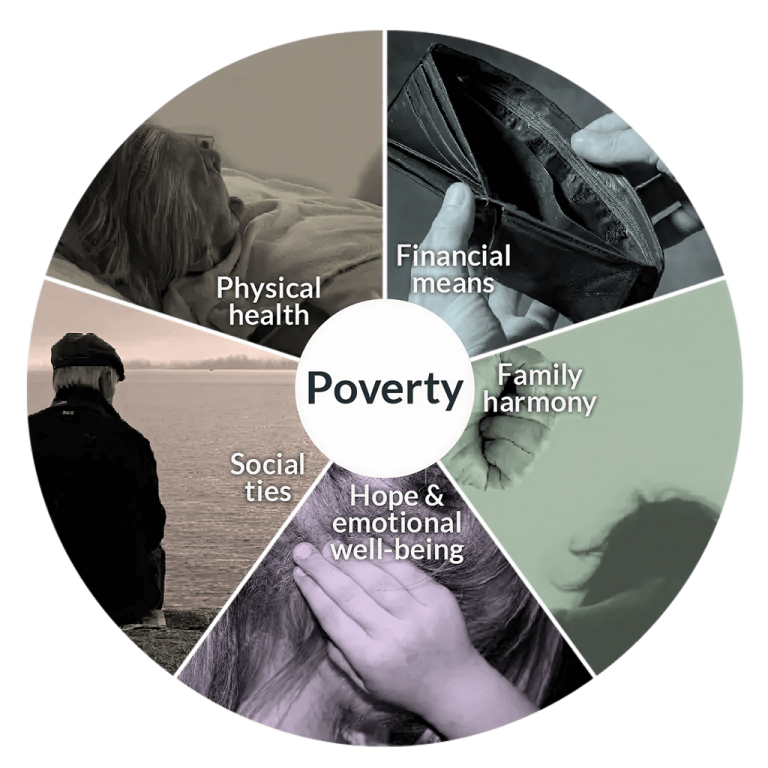
  • Poverty is more than financial lack; it is the inability to flourish in the context of our society, encompassing social, emotional and relational wholeness.

  • Poverty in its various forms often intersect, and without holistic interventions, may persist through generations.

  • As individuals, we can educate ourselves and actively correct our biases, reducing the stigma surrounding receiving support.

  • Together, we can promote deeper civic discussions anchored in empathy.

Poverty beyond Financials

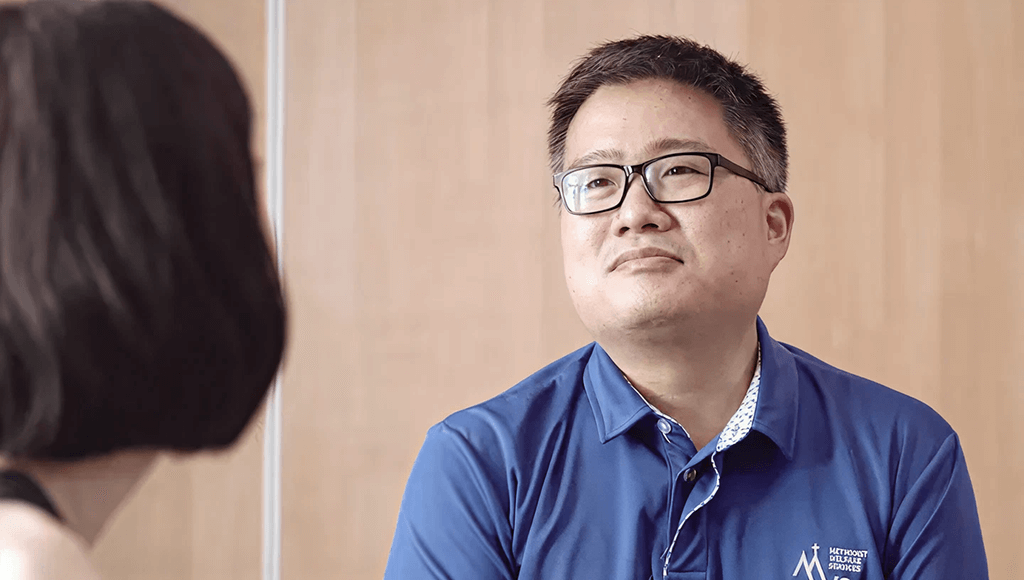
Dan*, 42, and Lydia*, 38, had been married for over a decade. Dan is a professional in a reputable organisation while Lydia is a successful personal care consultant. On the surface, the couple and their three children appeared to have a happy family life. But beneath this facade masked a hidden struggle with poverty.

The word “poverty” usually suggests a lack of material or financial resources but it may also encompass the absence of social, emotional and relational wholeness.

Fractured Relationships

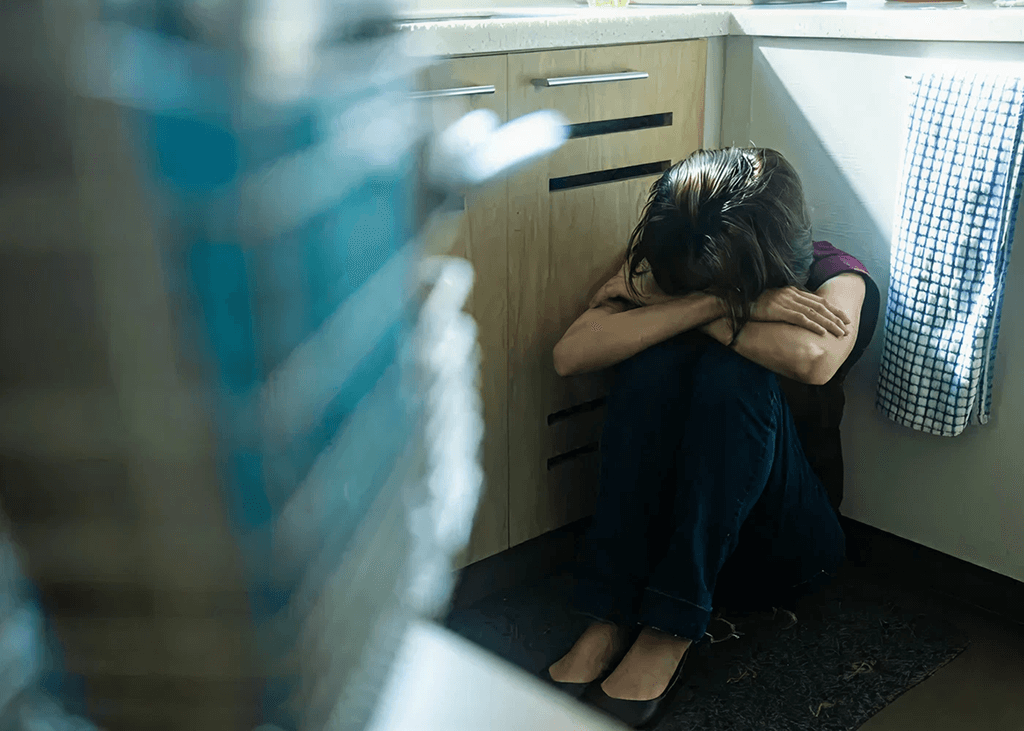
In Dan and Lydia’s case, mistrust and the lack of good communication ultimately led to their bitter split. Recently divorced after a tumultuous custody battle, the couple is undergoing counselling for co-parenting. 

They were referred to the Strengthening Families Programme@Family Service Centre (MWS FAM@FSC) run by Methodist Welfare Services (MWS) for co-parenting support after Dan discovered multiple bruises on their children.

Chronic Poor Health… and Loss of Hope

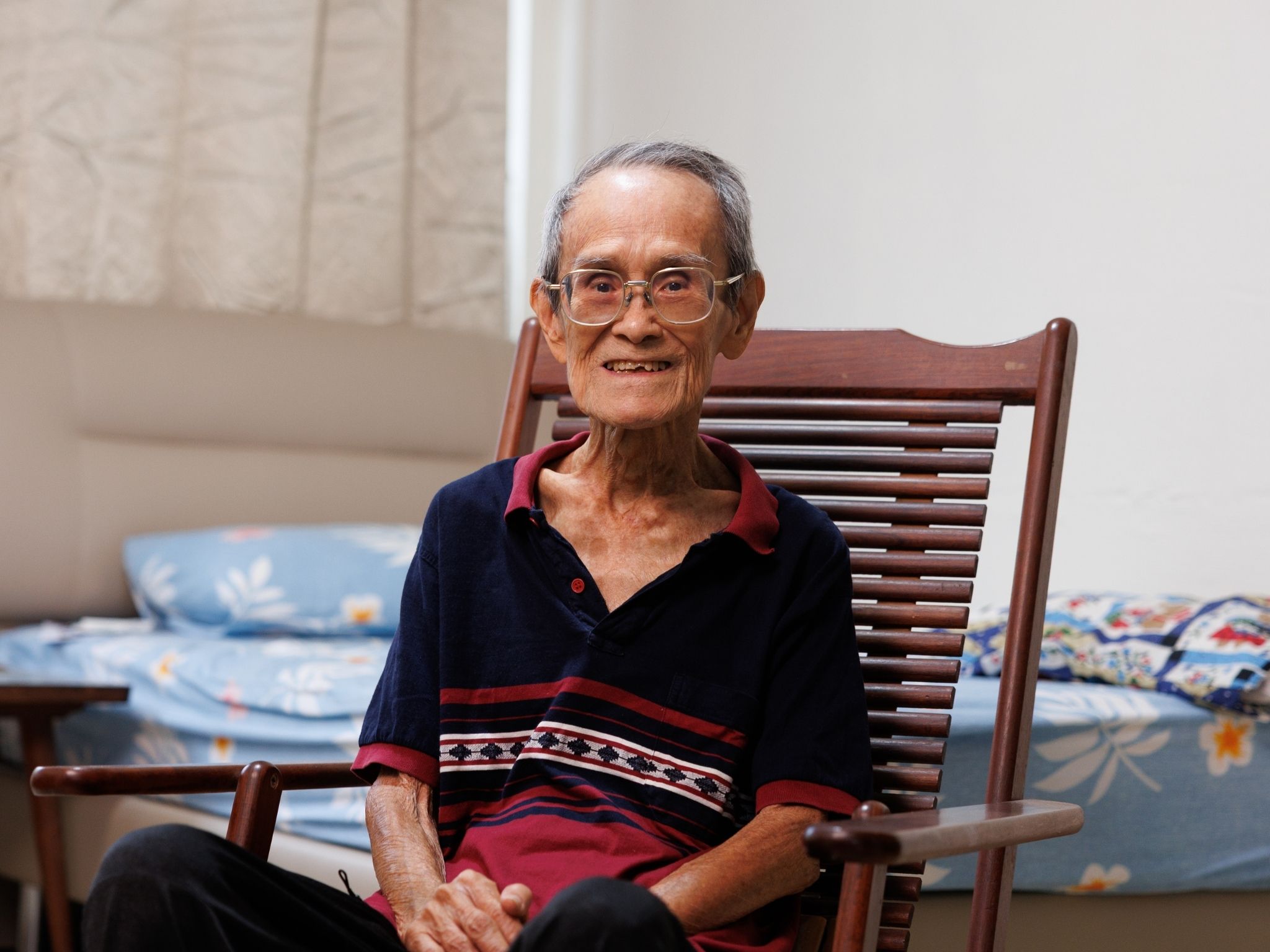
74-year-old Yap Yock Choon once had a debilitating heart condition which persisted even after a successful heart surgery in 2019. “I spent most days in bed as I was constantly tired,” she recounted. Despite having no lack of material resources, Mdm Yap was experiencing a poverty of hope, battling depression and feeling isolated by her health struggles. 

Stories like Dan and Lydia’s, as well as Mdm Yap’s, behoove us to think of poverty beyond monetary terms.

The World Bank defines poverty as a “pronounced deprivation in well-being”[1]. The broadest approach to well-being – and poverty – focuses on the ability of the individual to function in society.

This means poverty may extend to an impoverishment in physical and mental health, competence and self-worth, close relationships, social connections, agency and participation, and values and meaning. And these may not be exclusively caused by financial poverty.

Acknowledging the complexity of poverty is crucial in encouraging those experiencing non-financial forms of poverty to seek support.

In her book This is What Inequality Looks Like, sociologist Teo You Yenn cautions against framing social support as exclusive to a minority, as it reinforces stigma surrounding poverty and deters people from seeking assistance[2]. A broader view can shape societal discourse and national policies, and lead to more inclusive support systems.

Intersecting Facets of Poverty

Recognising poverty in its many forms also acknowledges the intricacies of human struggles.

Complex Human Struggles

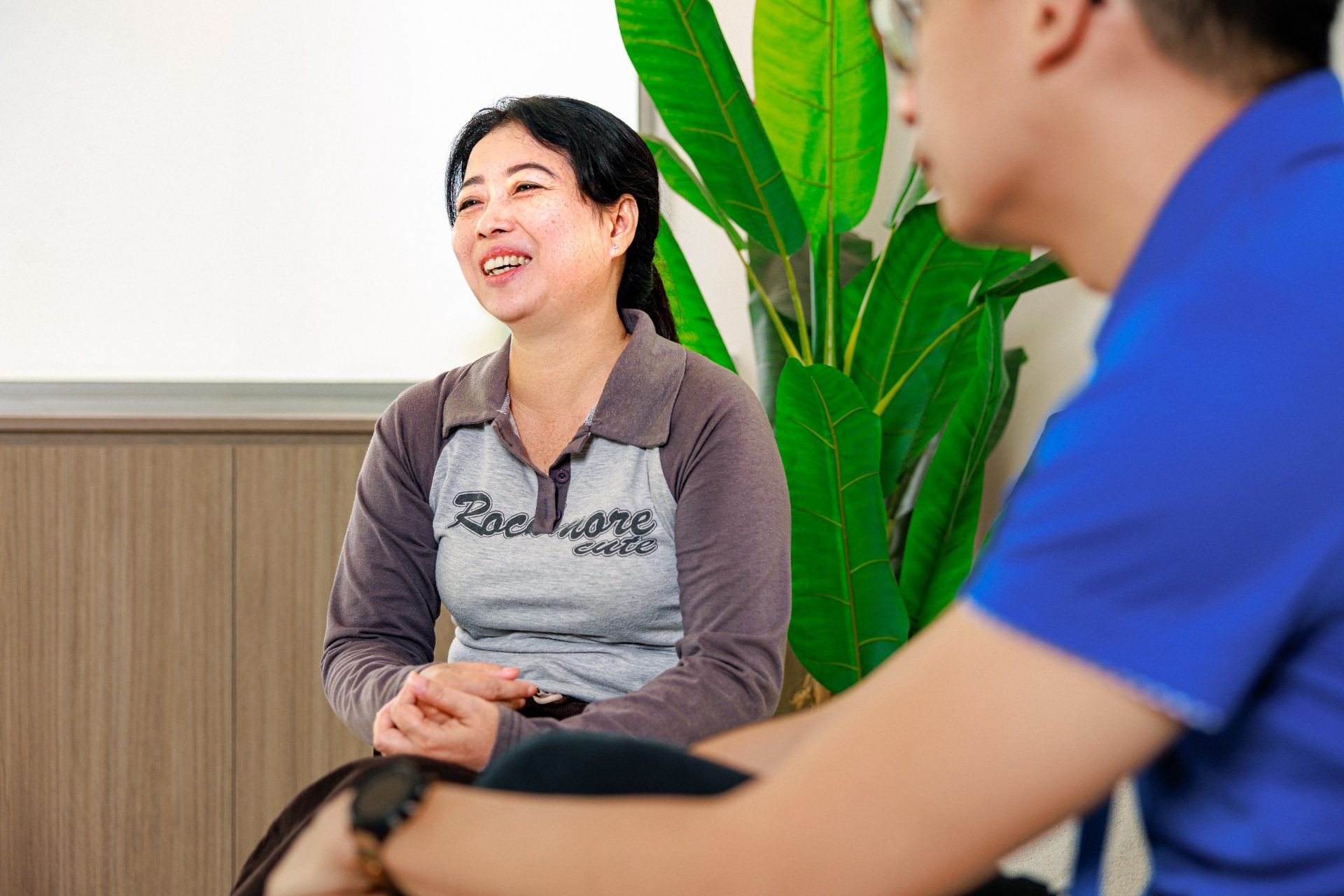
Meet Irene, a 51-year-old client of MWS Covenant Family Service Centre – Buangkok. She is the primary caregiver for her family of five, including her husband, her 32-year-old daughter who is a single mother, and her two grandchildren aged 10 and 4. Irene stopped working years ago due to mental health issues and to focus on caring for her family. These days, she juggles between helping her husband with delivery tasks and caregiving duties.

Amid the rising costs of childcare, medical bills and daily living, Irene faces crippling anxiety and depression.

“The financial pressure is crushing. Money is tight, and I feel overwhelmed and helpless. Sometimes, I skip meals so that my grandchildren can eat,” she confided.

Irene’s story highlights the struggles of families from low-income backgrounds, where financial limitations constrain options and exacerbate other existing issues.

Poverty of Choice

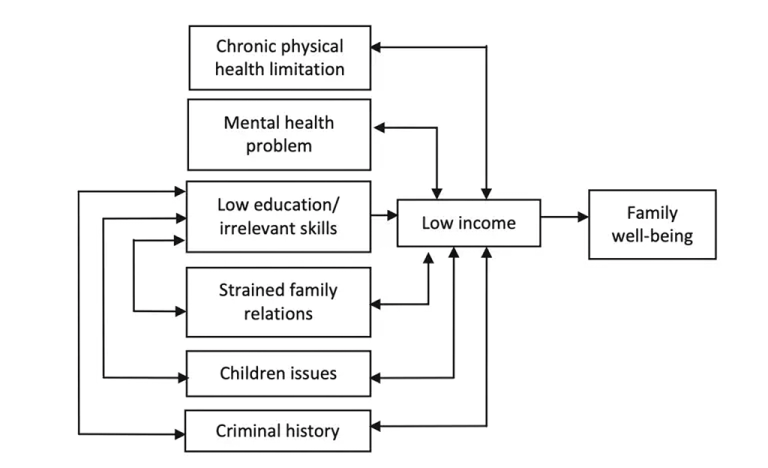
A research done in 2013 titled Policy Responses in an Unstable Globalized Economy: Multi-Stressed Low-Earning Families in Singapore[3] highlighted that the “stress of low earnings is often interrelated with social factors in the family that compound or are compounded by low earnings”.

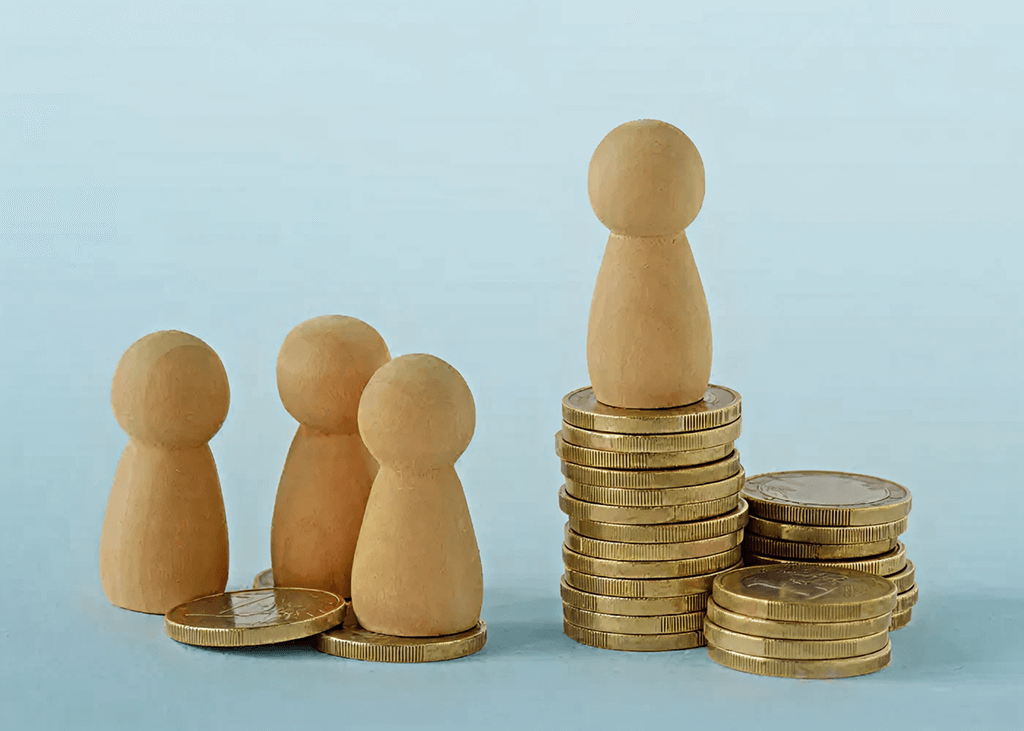
While families with financial means may also encounter stressors, they are more likely to be able to afford options to manage the challenges, for instance, by hiring help to ease caregiving stress. Struggling families from low-income backgrounds often find these alternatives unaffordable.

Yet, interpreting Irene’s struggle with poverty as just an issue with finances would be reductive. 

A model of multi-stressed low-earning families. [Source: Refer to footnote 3]

Intergenerational Transmission of Poverty

Childhood Trauma

Irene’s mental health issues are not simply linked to her current struggles but are rooted in her childhood trauma. Raised by her grandmother in a rental flat, she endured financial hardship, marginalisation and childhood bullying by her peers. “They looked down on me and called me terrible names because I came from a broken family,” Irene recalled. The comments have stayed with her to this day. Unprocessed emotions have only deepened these wounds over time, profoundly impacting her well-being. Without guidance, Irene subsequently dropped out of school.

Our struggles – be they financial, physical, emotional or relational – are intertwined and accumulate over time. Without holistic and sustained intervention, families like Irene’s may remain trapped in the vicious cycle of poverty for generations.

Uneven Starting Point

Research has shown that starting positions, parental background, and connections increasingly determine success, leading to inequality perpetuating across generations[4]. 

In Singapore’s education system for example, families with more resources are often able to provide better opportunities for their children, including access to top schools, early childhood education and enrichment programmes. Unfortunately, these advantages are often out of reach for children from less privileged backgrounds, perpetuating lower mobility rates across generations.

Irene’s life paints a poignant picture of this stark truth. Her upbringing left her with scant resources, guidance and support for many years. This led to a cycle of emotional, mental and financial hardship, with limited access to education and economic opportunities.

Poor Role Modelling

Beyond finances, intergenerational poverty can also manifest in relational and emotional dimensions. 

Consider Lydia, whose upbringing was marked by early independence at just 13, when she came to Singapore alone for schooling. Despite having material necessities, she lacked crucial guidance in her formative years. “Growing up influenced by media portrayals of love and romance, I assumed marriage would be easy. With no real-life role models, I didn’t grasp the complexities of sustaining a marriage,” she confessed. Her lack of exposure to effective communication and conflict resolution skills that are often modelled in healthy relationships led to avoidance of deep-seated issues and communication struggles. This resulted in marital conflicts and a harsh disciplinary stance that estranged her from her children.

Similarly, Dan’s upbringing deeply shaped his communication style in his marriage. “My mum has a very strong personality, and my dad would often give in during conflicts,” Dan reflected. “Their passive conflict resolution style influenced me a lot in my own marriage. I often yielded in disagreements with my ex-wife to avoid confrontation over important issues in order to maintain peace. Because of this, we grew distant and eventually, our marriage fell apart,” shared Dan.

Dan’s account echoes a body of research[5] which posits that children may mimic their parents’ relational patterns, perpetuating similar patterns of behaviours in their own relationships.

Despite Dan’s and Lydia’s middle-class upbringing, they grapple with a form of intergenerational poverty. These narratives remind us that regardless of our financial means, we may all experience poverty in the various dimensions of our well-being.

New Perspective, Greater Empathy

In June 2022, Singapore’s 4G leaders launched the Forward Singapore exercise to refresh our social compact and chart a roadmap for the next decade and beyond. 

Among the many insights revealed is an evolving perspective towards ‘success’ that goes beyond material possessions, as well as a desire for a more inclusive society[6]. With over 40 years’ experience of walking the journey with those who are experiencing poverty in its different forms, MWS is ever more prepared to support individuals like Mdm Yap, Irene, Dan and Lydia to thrive and know a fuller life.

Addressing Poverty Holistically

In Mdm Yap’s case, her physical fitness started to improve after regular fitness workouts at MWS Wesley Active Ageing Centre (AAC) – Jalan Berseh for almost a year. These days, the senior leads an active, sociable lifestyle that includes doing modified parkour and rock climbing.

“In the past, I rarely left my house as I always felt weak and tired. I was also very depressed. But now, I live with hope, as I have the energy to do the things I want. I was like a withered flower, but the staff and volunteers at MWS Wesley AAC revived me,” she said.

As for Irene, through the MWS Family Development Programme, she can now afford basic necessities for her family. The debt clearance and savings matching scheme, designed to get low-income families out of debt and into asset-building, matches every dollar Irene contributes with $2.

Positive Modelling and Emotional Support

Beyond the financial aid, Irene is grateful for the emotional support she receives. “When loneliness or depression looms, I reach out to MWS for help because I must stay strong to take care of my family. They make me feel truly cared for,” she said. Such support gives Irene hope that her grandchildren will not experience the bullying, helplessness and lack she endured while growing up. 

By staying emotionally strong and supported, Irene believes she can better provide for her family and break the cycle of hardship, ensuring a brighter future for her grandchildren.

For Dan and Lydia, they have come to realise the harmful impact of their past relationship dynamics on their children and are working to improve their co-parenting communication. They have learnt to express themselves more amicably for their children’s sake, and have adjusted their disciplinary approaches.

“Thanks to my social worker’s support, my relationship with my children has improved significantly. I hope this will help them to have better relationships of their own in future,” said Lydia.

It Takes a Village

Addressing poverty in all of its complexity requires the collective efforts of our entire society. So what can we do?

By educating ourselves and addressing unconscious biases, we can foster a culture of empathy and support. This can look like actively engaging with people from diverse social backgrounds and gaining insights into their challenges. Empathy thrives when we go beyond concept, to practise it everyday. Recognising that everyone, regardless of financial status, struggles with some forms of poverty helps promote equity and destigmatise seeking help.

We can become agents of change in promoting this mindset shift through our private or civic conversations. In our workplaces and communities, we can also actively volunteer or partner with organisations like MWS to advocate for poverty alleviation in all its forms.

As a society, are we also prepared to review present structures and consider rebalancing the distribution of resources to people in greater need?

Together, we can work towards making Singapore a more inclusive society where no one battles poverty in isolation and obscurity. Will you join us on this mission today?

*Not their real names

References

[1] Introduction to poverty analysis (English). Washington, D.C. : World Bank Group. http://documents.worldbank.org/curated/en/775871468331250546/Introduction-to-poverty-analysis. (p.6).

[2] Teo, Y. Y. (2022). Dignity Is Like Clean Air. In This is What Inequality Looks Like (pp. 199–230). Ethos Books.

[3] Ng, I. Y. H., & Ho, K. W. (2013). Policy Responses in an Unstable Globalized Economy: Multi-Stressed Low Earning Families in Singapore. Economic Stress, Human Capital, and Families in Asia: Research and Policy Challenges, 241–258. https://doi.org/10.1007/978-94-007-7386-8_14

[4] Low, D. (2014). Good Meritocracy, Bad Meritocracy. In S. T. Vadaketh & D. Low (Eds.), Hard Choices: Challenging the Singapore Consensus (pp. 48–58). NUS Press.

[5] Taccini, F., Rossi, A. R., & Mannarini, S. (2021). Intergenerational Transmission of Relational Styles: Current Considerations12https://doi.org/10.3389/fpsyg.2021.672961

[6] Forward Singapore Workgroup. (2023). Building Our Shared Future. Ministry of Culture, Community and Youth. https://www.forwardsingapore.gov.sg/-/media/forwardsg/pagecontent/fsg-reports/full-reports/mci-fsg-final-report_fa_rgb_web_20-oct-2023.pdf

More stories like this

Shining Brighter Together as One Community
Video | 31 Mar 2026

Shining Brighter Together as One Community

Read more
View details
In the push for achievement, are Singapore children learning resilience?
Contributed Article | 15 Mar 2026

In the push for achievement, are Singapore children learning resilience?

Read more
View details
Before We Ask That Question This Lunar New Year…
Contributed Article | 12 Feb 2026

Before We Ask That Question This Lunar New Year…

Read more
View details
How a former rugby captain became a beacon of hope at an MWS Nursing Home
Methodist Message | 1 Jan 2026

How a former rugby captain became a beacon of hope at an MWS Nursing Home

Read more
View details
The Healing Nation Celebratory Concert
Methodist Message | 1 Dec 2025

The Healing Nation Celebratory Concert

Read more
View details
Get involved

Make a difference

Today we support over 22,000 families and individuals, who face struggles in different ways, across age groups, ethnicities and religions.

image