Filling the Parenting Void
30th April 2024

Filling the Parenting Void

Resentment and stress crept into grandparent Rena’s life after she stepped in to fill the void for absent parents

When Rena’s* daughter was incarcerated, she unexpectedly became the full-time caregiver for her two granddaughters: a 3 and 11-year-old. 

A retired English teacher, the 73-year-old struggled to handle her older granddaughter’s emotional outbursts. Whenever the child faced challenges like academic issues, she would have meltdowns and feelings of parental abandonment would resurface.

Having to care for her granddaughters full-time also left Rena feeling stressed and overwhelmed. 

Switching tacks

Things began to change for Rena after she attended the Positive Parenting Program (Triple P) helmed by MWS Families for Life@Community – MWS / MWS FFLC (formerly MWS Family Support Programme). The programme covered topics such as positive parenting/grandparenting, as well as raising confident, competent and resilient children/grandchildren. 

Rena learnt to use time-outs to help her grandchildren calm down and reflect on their behaviour after an outburst. This teaches them to control their emotions and break patterns of misbehaviour while easing her own emotional distress and preventing escalation. 

“My older granddaughter reflects more on her behaviour now, and afterwards, she would apologise, something she never did before,” said Rena. 

Rena also learnt to use a calm, soothing tone to foster feelings of safety and support for the child, rather than discipline with harshness. 

“My younger granddaughter is very strong-willed,” shared Rena. “During one of her tantrums, I took her to a quiet spot and gently said, ‘Nana (Grandmother) wants to hear you, but you also need to listen to nana.’ It worked surprisingly well.’”

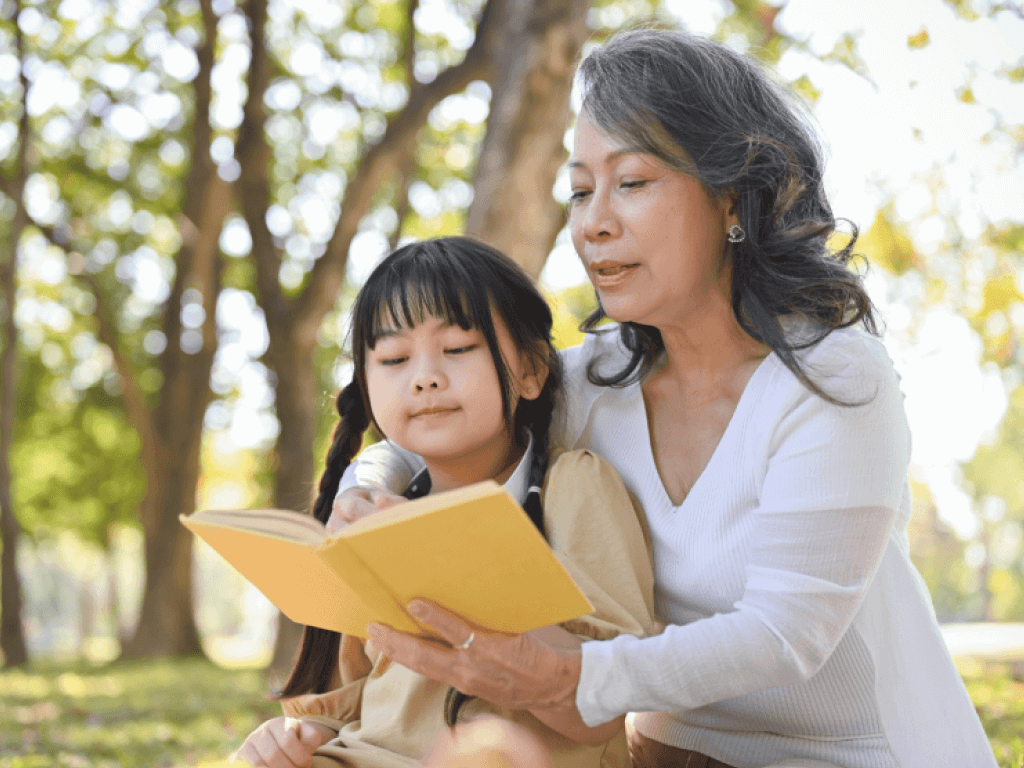
Modelling self-calming behaviour during her grandchild's tantrums or outbursts has helped them behave better, found Rena (Photo: Canva.com)

By implementing Triple P strategies, Rena not only modelled positive behaviour and effective communication, she also strengthened trust and connection with her granddaughters. This resulted in better behaviour and cooperation. 

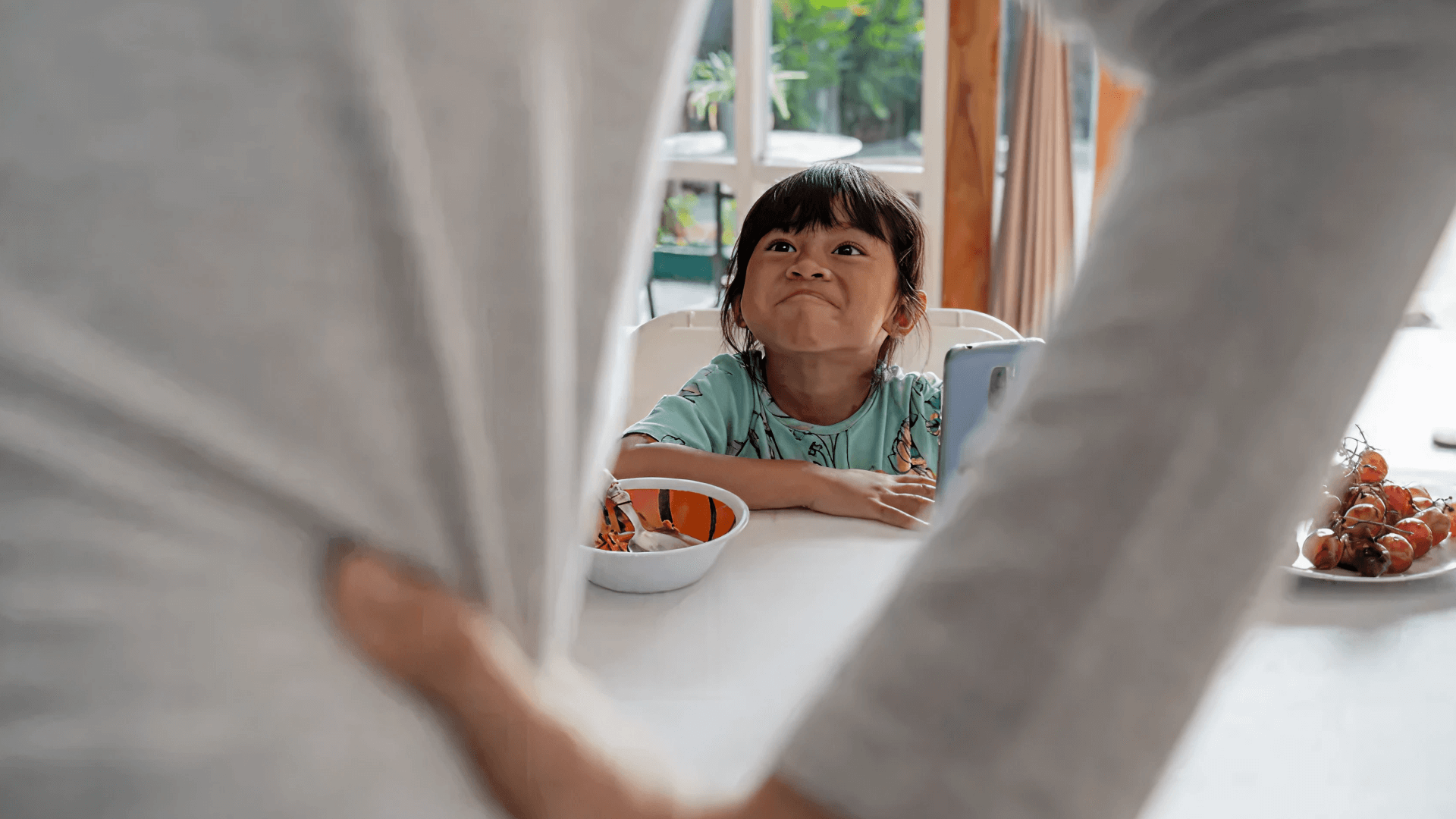
Photo: Canva.com

The Power of Descriptive Priase

Within Rena’s toolbox of positive grandparenting strategies is a Triple P technique known as descriptive praise.

“I make sure to applaud and affirm my granddaughters for specific tasks and behaviours, like calming down or completing a task. It’s a way to acknowledge their growth and maturity,” said Rena.

Doing so, Rena observed, has led to improved behaviour from her granddaughters, and a closer bond between her and them.

“Descriptive praise aims to acknowledge the child’s good progress in a certain behaviour, encouraging them to continue improving,” shared Connie Ng, Manager of MWS FFLC.

“It’s shifting from merely saying ‘Good job’ and acknowledging the work or task, to focusing on the child’s growth and development.”

Breaking the cycle of negativity

Her daughter has since been released but Rena remains actively involved in raising her granddaughters, taking on the role of disciplinarian. 

“I’ve had to become more authoritative since their mother allows them free rein. I step in when necessary to teach them boundaries,” Rena said. 

Embracing positive grandparenting, Rena offers choices within limits, establishes rules and regulates screen time, and rewards positive behaviour – ensuring her granddaughters grow into responsible adults. 

Rena’s story highlights how certain parenting styles can cascade into challenges for the next generation – a form of intergenerational poverty. Children without positive role models often face an impoverished upbringing in various aspects of their lives. They may struggle to develop essential life skills and coping mechanisms, which can hinder their emotional development and resilience. 

Permissive parenting, with unclear boundaries, often results in children lacking self-discipline, exhibiting more unruly behaviour and showing lower academic motivation. They may fall behind academically, perpetuating a cycle of limited educational attainment and opportunities. 

Overall, the lack of proper parental guidance shapes children’s developmental trajectories and perpetuates cycles of disadvantage and poverty.

Nevertheless, intergenerational poverty is complex. While good parenting offers a strong foundation for a child, it is just one piece of the puzzle in promoting positive outcomes.

Through patience, empathy, and the implementation of strategies like Triple P, Rena hopes to help her daughter break the cycle of negative outcomes and lend the next generation the needed support to thrive. 

“I tried (using a calm, soothing tone) with my younger granddaughter, who is very strong-willed, during one of her tantrums. I took her to a quiet spot and gently said, ‘Nana (Grandmother) wants to hear you, but you also need to listen to nana.’ It worked surprisingly well.”

*Not her real name 

More stories like this

Shining Brighter Together as One Community
Video | 31 Mar 2026

Shining Brighter Together as One Community

Read more
View details
In the push for achievement, are Singapore children learning resilience?
Contributed Article | 15 Mar 2026

In the push for achievement, are Singapore children learning resilience?

Read more
View details
Before We Ask That Question This Lunar New Year…
Contributed Article | 12 Feb 2026

Before We Ask That Question This Lunar New Year…

Read more
View details
Healing after Infidelity
UV Beneficiary Story | 24 Nov 2025

Healing after Infidelity

Read more
View details
When Cultural Differences Spark Conflict
UV Beneficiary Story | 31 Oct 2025

When Cultural Differences Spark Conflict

Read more
View details
Get involved

Make a difference

Today we support over 22,000 families and individuals, who face struggles in different ways, across age groups, ethnicities and religions.

image