Helping Children Feel Safe
1st June 2026

Helping Children Feel Safe
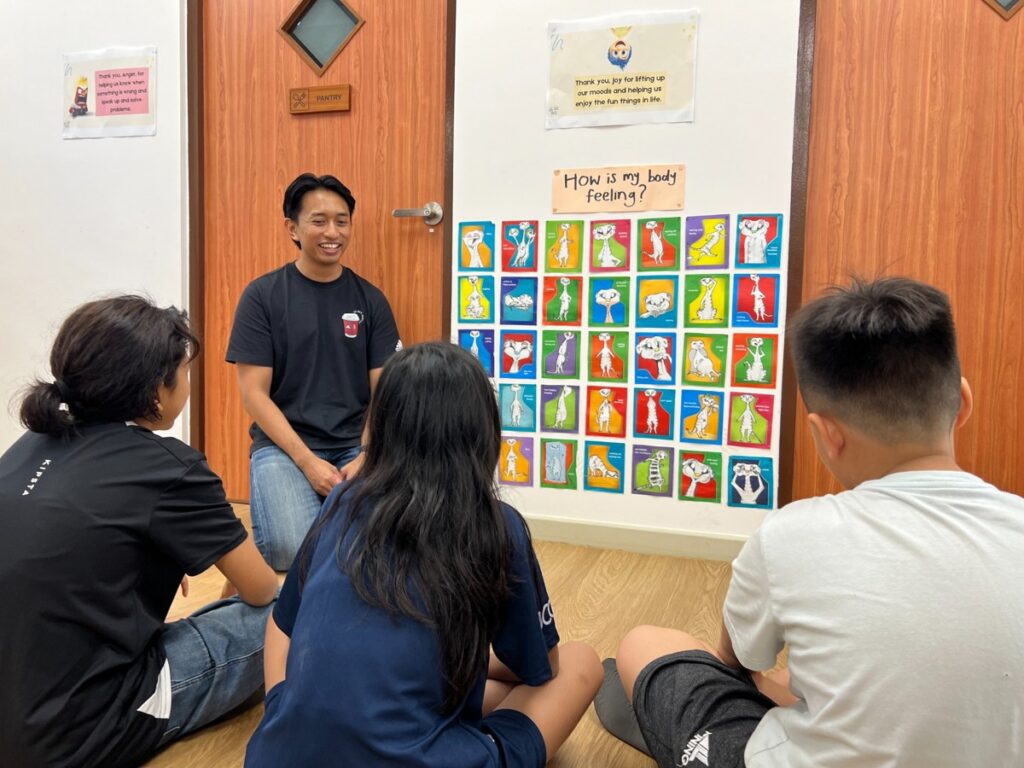
MWS Family Service Centre – Tampines’ Keeping My Body Safe programme is teaching children body safety skills and to seek help from trusted adults when feeling unsafe.

In response to the rising incidence of family violence involving children, MWS Family Service Centre – Tampines (TFSC) has been running an ongoing Protective Behaviours groupwork programme to equip children with skills to recognise unsafe situations and seek help.

Muhammad Suffian Bin Bahrin, MWS Senior Programme Executive, teaching children to recognise bodily sensations linked to different emotions during the Keeping My Body Safe programme.

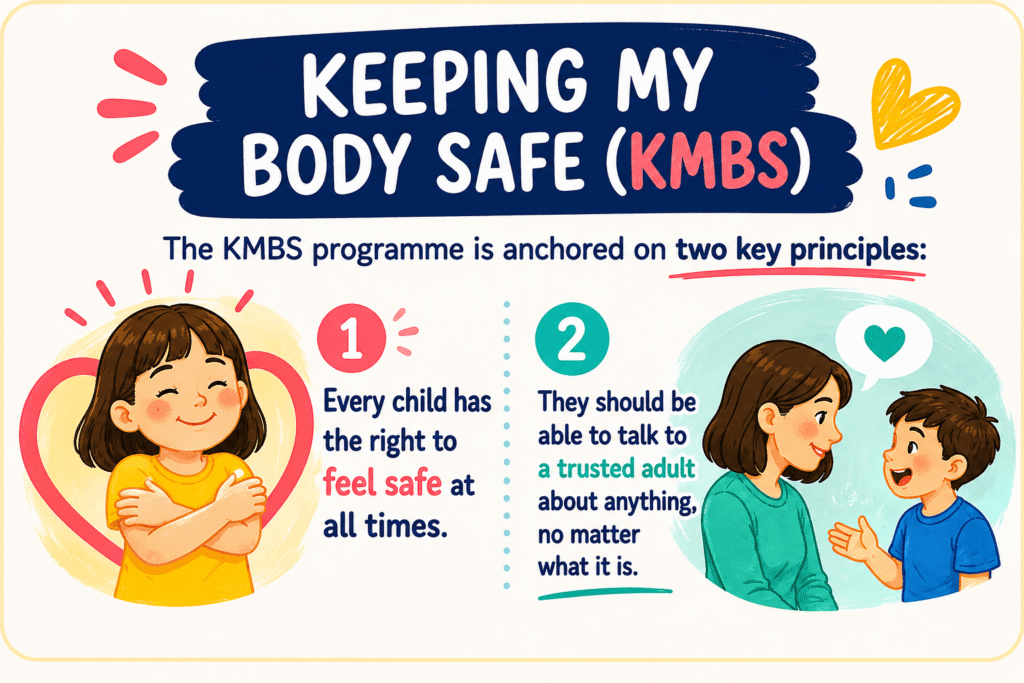
Designed for children aged seven to ten, the Keeping My Body Safe (KMBS) programme is anchored on two key principles: that every child has the right to feel safe at all times, and that they should be able to talk to a trusted adult about anything, no matter what it is.

“The groupwork’s main aim is to provide upstream intervention in addressing family violence and child sexual abuse,” said Muhammad Suffian Bin Bahrin, a senior programme executive who was part of the team that developed and implemented the programme. “Children are taught to recognise and understand their feelings and bodily sensations, helping them identify what these signals may mean, such as feeling scared, anxious, or excited.”

“They also learn safe and appropriate ways to respond to these feelings and sensations, including practising regulation techniques and identifying trusted adults whom they can approach for support or confide in.”

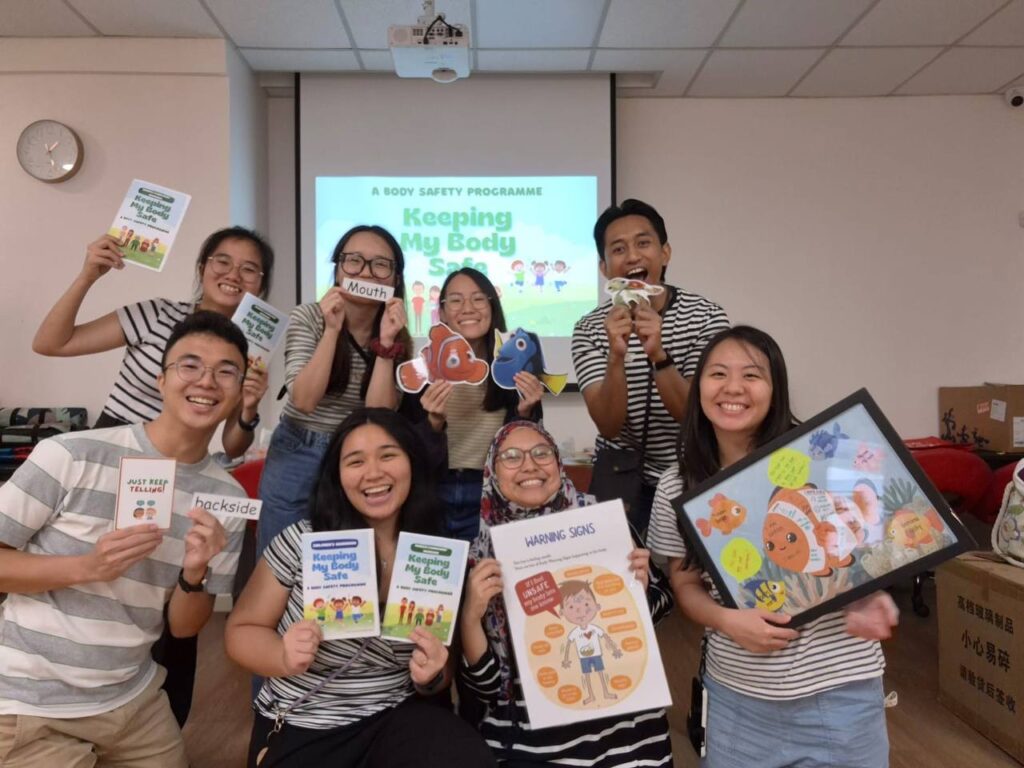
The MWS Family Service Centre – Tampines team behind the Keeping My Body Safe programme

Empowering children to speak up

Participants include children who have witnessed or experienced family violence or harsh physical punishment, and those who come from families where sexual abuse has occurred. 

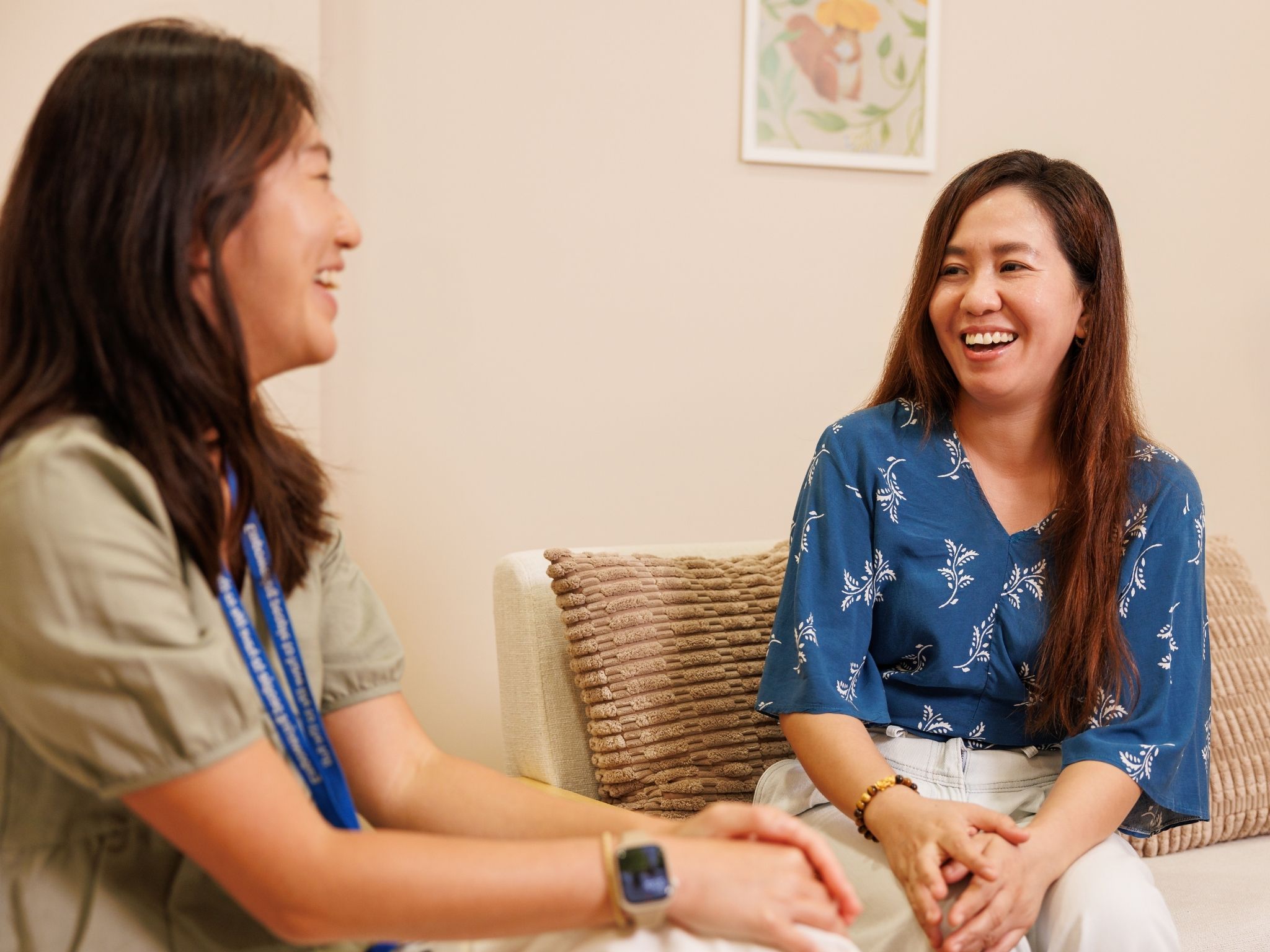
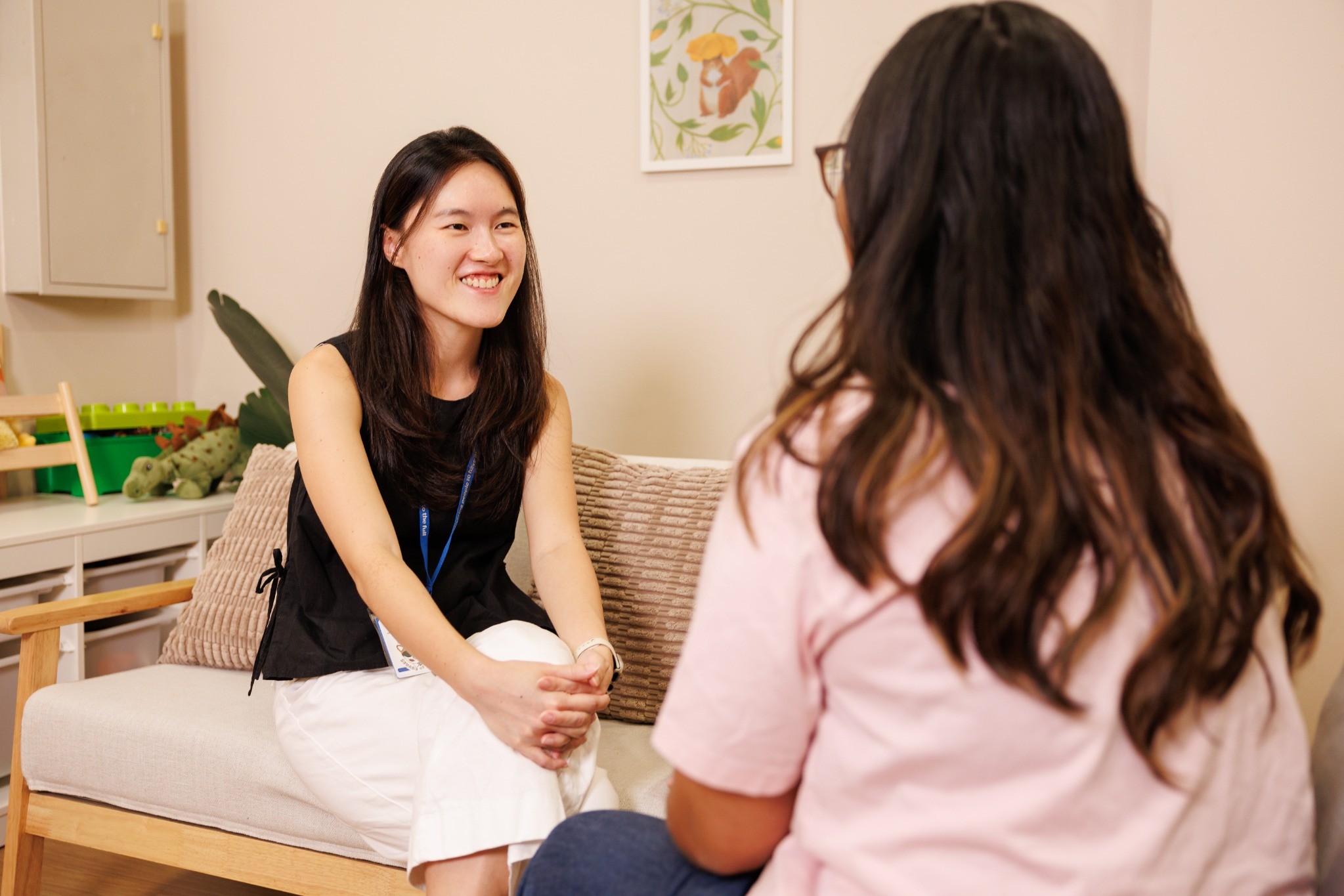
One participant is nine-year-old Jayden*, who has been exposed to spousal violence and experienced harsh physical punishment. Through the programme, he learnt to recognise how his body reacts during distressing situations and how to manage those emotions. He has also become more willing to seek help from trusted adults, like his social worker, Antonia Lee, who is part of the team facilitating the KMBS programme. 

Recalling a conflict between his parents, Jayden shared, “When my father and mother were fighting, it was very, very scary. I went into my room, breathed in and out, and squeezed my pillow. After that, I felt calmer and not so scared anymore.” 

He later shared the incident with Antonia, who followed up with his mother. “We teach children that they should not intervene or carry the responsibility of managing adult conflicts themselves,” Antonia explained. Since then, Jayden’s mother has become more intentional about shielding her children from conflict at home. “If I’m having a disagreement with my husband, we will close the door or lower our voices,” she said.

Reinforcing safety at home

Recognising that children need consistent reinforcement about protective behaviours, the team introduced a family session where parents join their children. 

Jasmine*, who attended the family session with her children, shared that the programme created a safe and open environment for conversations about body safety. “The more informed my children are about how to keep their bodies safe, the more comfortable they will feel speaking up instead of hiding things out of fear or embarrassment,” she said. 

* Not their real names

If you or someone you know may be experiencing family violence or abuse, call the 24-hour National Anti-Violence and Sexual Harassment Helpline on 1800-777-0000.

More stories like this

“There’s a lot of fire-fighting.”
UV Staff Story | 1 Jun 2026

“There’s a lot of fire-fighting.”

Read more
View details
Making Home Safe Again
UV Key Feature | 1 Jun 2026

Making Home Safe Again

Read more
View details
Get involved

Make a difference

Today we support over 22,000 families and individuals, who face struggles in different ways, across age groups, ethnicities and religions.

image