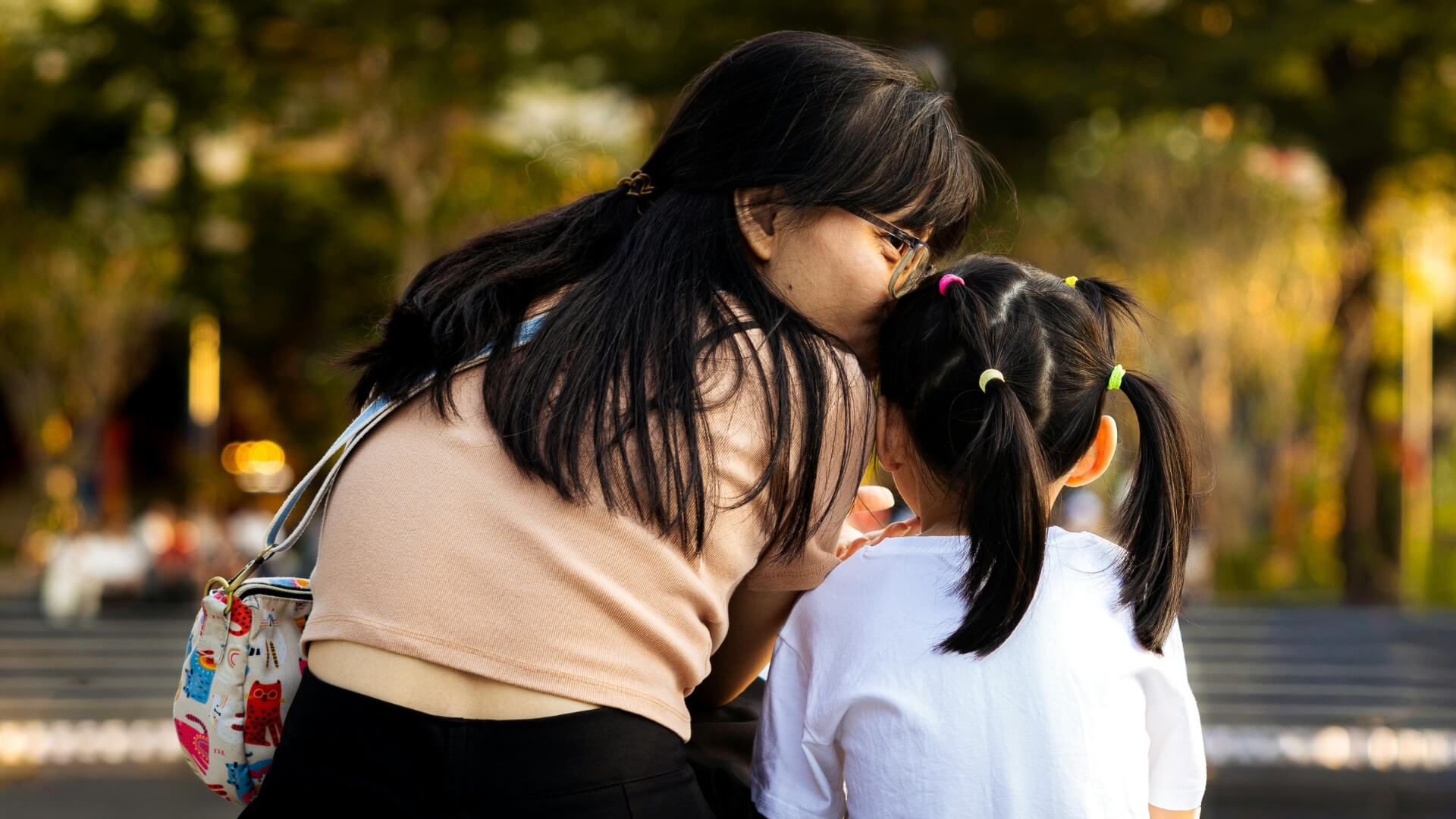
“There’s a lot of fire-fighting.”
1st June 2026

“There’s a lot of fire-fighting.”

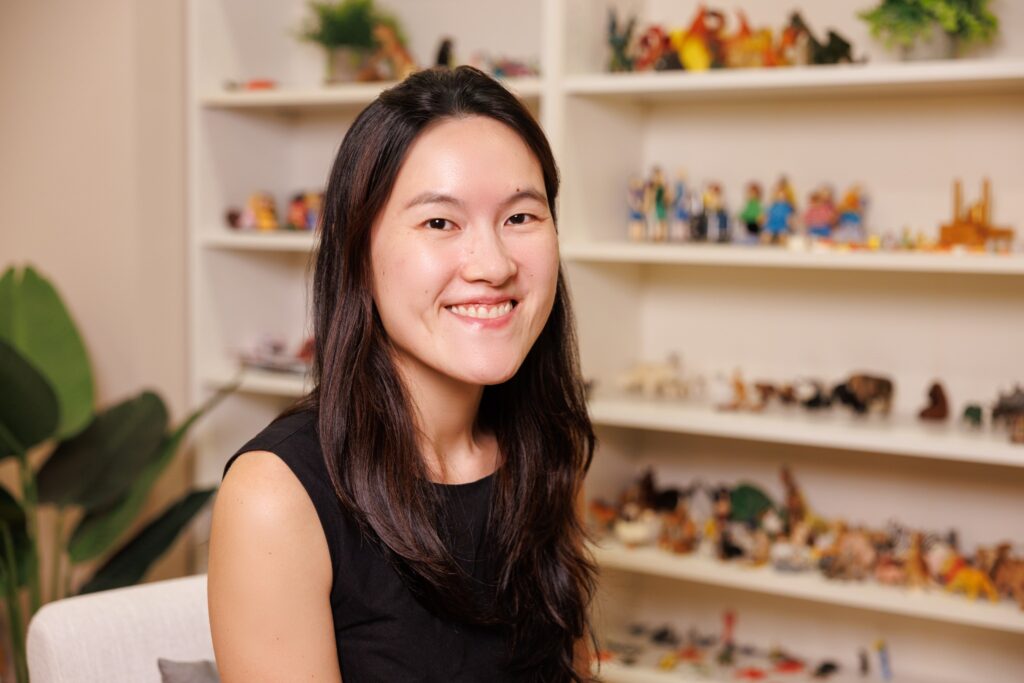
Journeying with family violence survivors through trauma and recovery can be emotionally intense work – yet also deeply fulfilling, says MWS Senior Social Worker Ng Yu Qing.

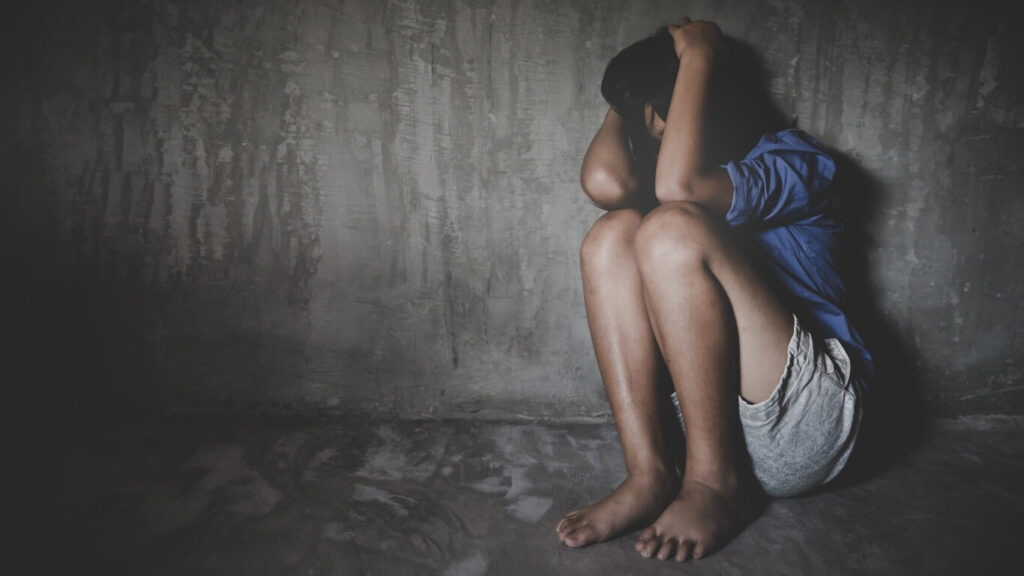
A mother repeatedly hospitalised from years of domestic abuse, including assaults involving weapons. One child so deeply affected by ongoing violence at home that she once picked up a weapon and threatened her parent in a moment of distress. A young woman so scarred by violence perpetrated by her brother that even leaving the house was a struggle. 

These are just some of the many family violence cases that pass through the doors of MWS’ Family Service Centres (FSCs) which social worker Ng Yu Qing has encountered in her work.

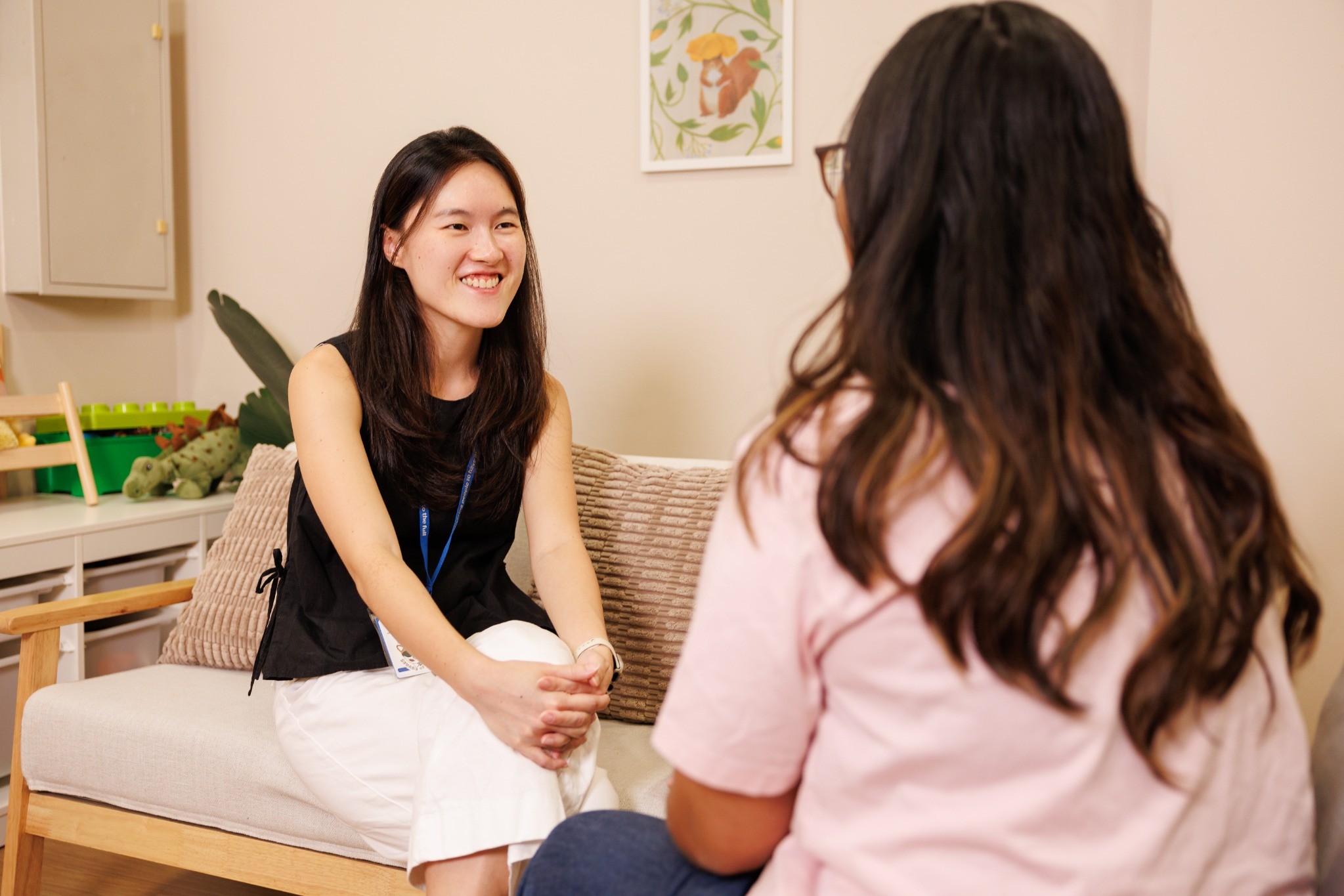
Through her work at MWS, Ng Yu Qing helps survivors of family violence find safety, support, and strength to move forward.

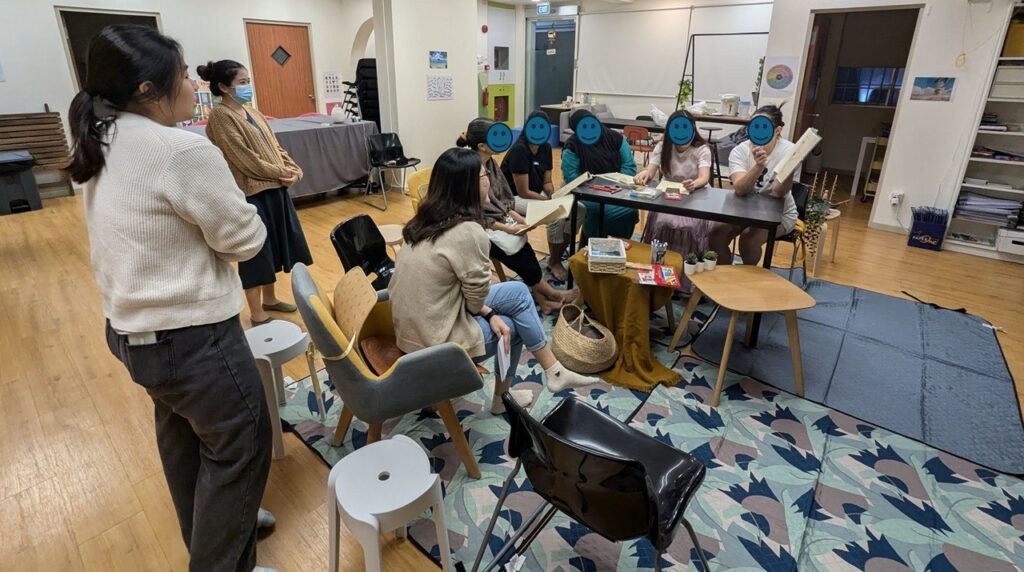
The prevalence of such cases prompted Yu Qing and her team at MWS FSC – Tampines to run a groupwork for female survivors, offering them a safe space to heal from trauma. 

Called Captains of the Sea, the seven-week programme – adapted from Women Healing from Trauma: A Facilitator’s Guide – helped participants understand trauma and its impact, learn coping tools, and rebuild their sense of agency.

Power of peer support

Yu Qing (in a beige cardigan, seated) facilitating a session of Captains of the Sea

Unlike one-on-one counselling, groupwork offers something uniquely powerful: shared understanding and experience. “Many survivors carry their experiences in silence due to shame, fear of judgment, or a lack of support,” said Yu Qing. “Hearing from fellow survivors help them realise they are not alone.” 

She recalled one participant who was initially very withdrawn and depressed. Over time, with peer support, she became more energetic, engaged, and open in sharing her experiences. For Yu Qing, this sense of solidarity is what makes the programme meaningful.

Battling crises on the frontline

Crisis management is part and parcel of the job, especially with family violence being the FSC’s top presenting issue. “It can be stressful because some clients come to us when situations are highly volatile, such as after a major conflict or recurrence of violence,” Yu Qing said. “At times, there’s a lot of fire-fighting, trying to manage one crisis after another.” 

The emotional demands of the work can be intense. “As social workers, we use ourselves a lot in the work – empathising with clients, holding space for them, and juggling many moving parts – so it can get very overwhelming and emotionally draining,” she said. “But it’s also very fulfilling to be able to journey with clients when they are at their most vulnerable.”

“Intentional self-care is very important,” said Yu Qing. “I can’t show up at 50 per cent capacity and expect to care well for others – I need to take care of myself first before I can care for them.”

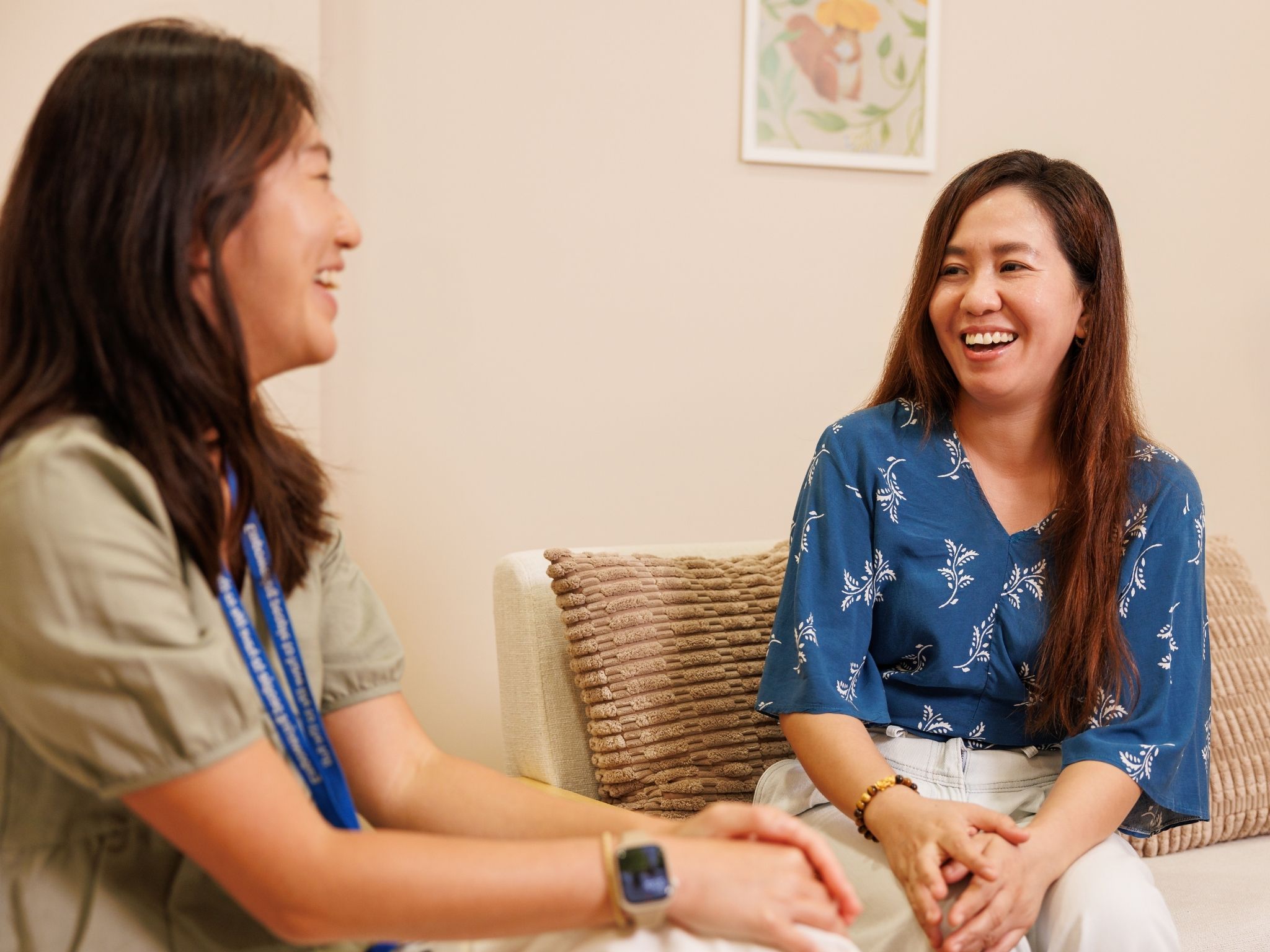
Supporting survivors goes far beyond addressing the violence itself. Yu Qing recalled working with a mother of two who had endured years of severe abuse under her husband’s hands. Besides facilitating the client’s move out to stay with her family of origin, Yu Qing also worked with her to establish stability in other areas of her life. This included supporting the client in accessing mental health services and working towards employment to reduce her financial reliance on her husband. Over time, the client’s mental health improved, enabling her to secure a job, regain stability, and focus more on herself and her children.

More than meets the eye

Yu Qing added that many survivors’ decision to remain in abusive relationships are often far more complex than they appear. Factors such as financial dependence, limited support networks, and psychological dynamics like trauma bonding can make leaving incredibly difficult. In cases involving coercive control, the barriers become even harder to overcome.

Some survivors of family violence experience deep isolation, and community intervention can help break the cycle, said Yu Qing.

“In such situations, there is often a lot of ambivalence, fear, and uncertainty,” said Yu Qing. “We pace with the client and provide psychoeducation on their rights including laws that can protect them, and community resources such as shelters and Personal Protection Orders, so they can be empowered to choose alternative pathways.” 

Community intervention, too, can help break the cycle of family violence. “Many only seek professional help after a crisis,” Yu Qing said. “If the community can spot the signs and alert someone earlier, we may be able to prevent more serious harm, especially in cases involving children, who often do not have a voice. I hope more people will have the courage to step in when they witness family violence, so survivors can receive help before things escalate.” 

If you or someone you know may be experiencing family violence or abuse, call the 24-hour National Anti-Violence and Sexual Harassment Helpline on 1800-777-0000.

More stories like this

Helping Children Feel Safe
UV Beneficiary Story | 1 Jun 2026

Helping Children Feel Safe

Read more
View details
Making Home Safe Again
UV Key Feature | 1 Jun 2026

Making Home Safe Again

Read more
View details
Shining Brighter Together as One Community
Video | 31 Mar 2026

Shining Brighter Together as One Community

Read more
View details
In the push for achievement, are Singapore children learning resilience?
Contributed Article | 15 Mar 2026

In the push for achievement, are Singapore children learning resilience?

Read more
View details
Before We Ask That Question This Lunar New Year…
Contributed Article | 12 Feb 2026

Before We Ask That Question This Lunar New Year…

Read more
View details
Get involved

Make a difference

Today we support over 22,000 families and individuals, who face struggles in different ways, across age groups, ethnicities and religions.

image